Drain Field Installation
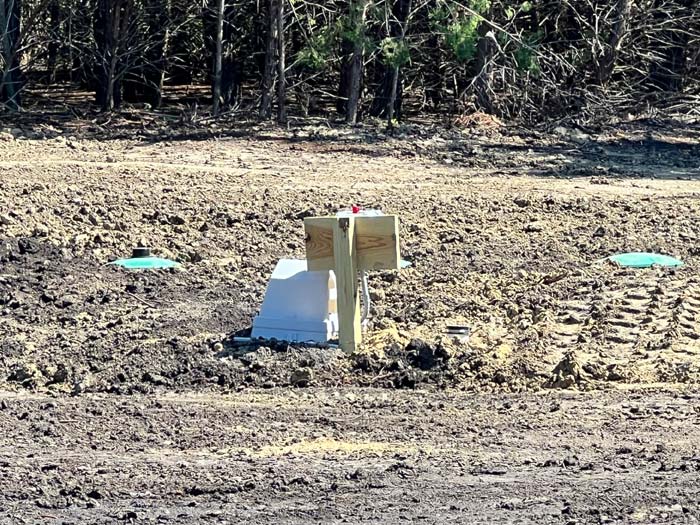
New drain field installation for septic systems on Charlotte-area properties with suitable soil — trench, chamber, and low-pressure distribution systems.
Get a Free Drain Field Installation Estimate
Drain Field Installation Overview
Drain field installation is the construction of the soil absorption component of a septic system — the network of trenches, chambers, or pipes where treated wastewater from the septic tank percolates into the ground. Also called a leach field or absorption field, the drain field is the most soil-dependent and location-sensitive part of any septic system. Charlotte Excavation Services installs drain fields across Mecklenburg and Union counties on properties with suitable perc rates and adequate setback distances.
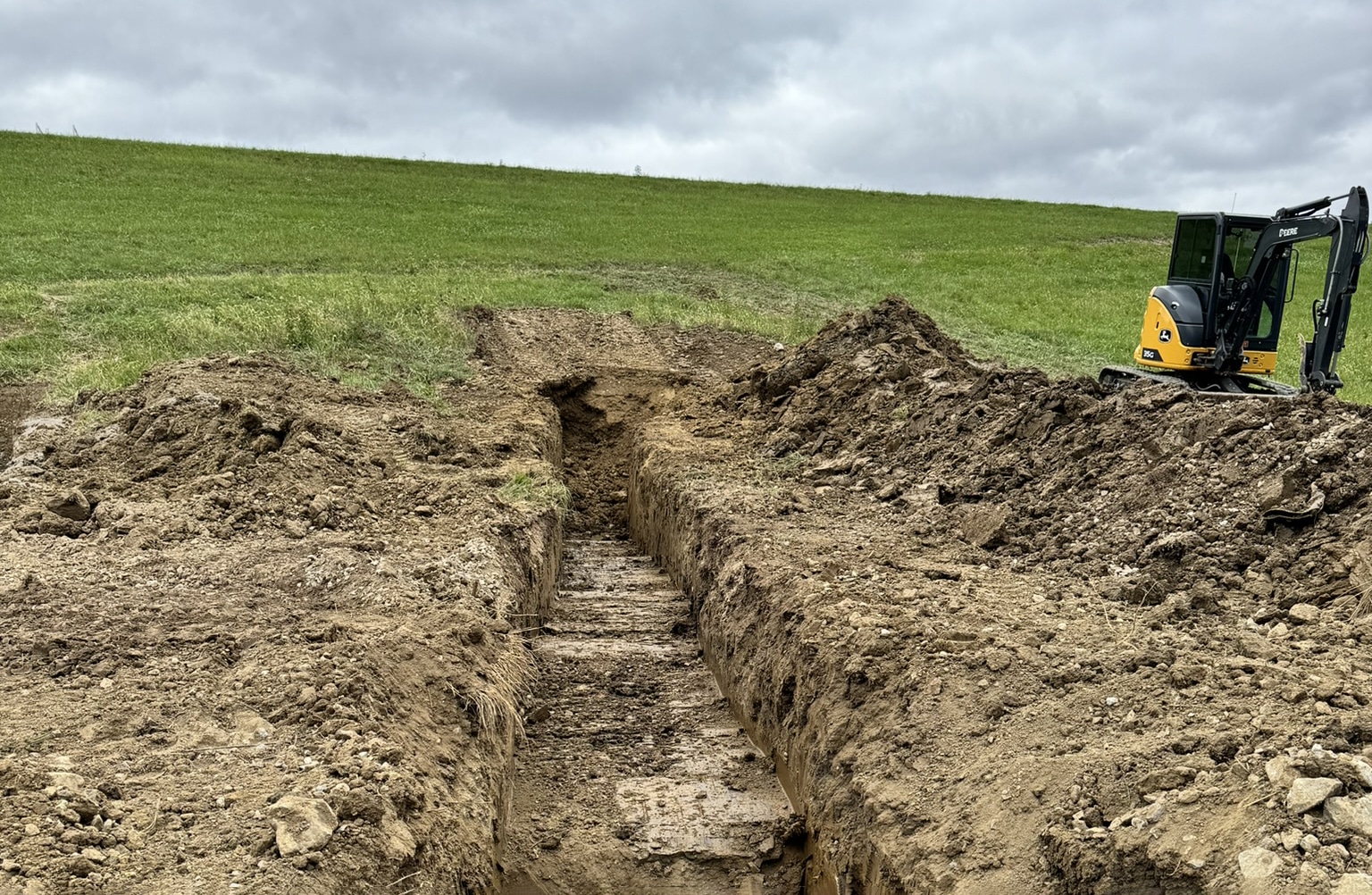
Conventional drain field installation involves excavating parallel trenches 18 to 36 inches wide at a consistent depth (typically 18 to 30 inches in NC), placing perforated distribution pipe on a bed of gravel or within plastic chambers, covering with geotextile fabric, and backfilling with soil. Trench spacing, length, and depth are determined by the septic designer based on soil absorption rates, daily wastewater flow, and Mecklenburg County Health Department regulations.
Charlotte's Piedmont clay soils often produce slow perc rates (60+ minutes per inch), requiring larger drain fields than sandy-soil regions. On clay-heavy lots in Matthews, Mint Hill, and Waxhaw, designers may specify gravelless chamber systems that provide greater storage and infiltration surface area in a smaller footprint, or low-pressure pipe systems that distribute effluent more evenly across the field.
Drain field installation must occur in suitable soil areas identified during the site evaluation — not too close to groundwater, property lines, wells, or surface water. The Mecklenburg County Health Department enforces setback distances and inspects drain field installation before trenches are covered. Charlotte Excavation Services excavates to exact design specifications and maintains trench integrity until inspection approval.
New drain field installation is required for new septic systems, system expansions when bedroom count increases, and as a component of system replacement when the existing field has failed but the tank remains serviceable. Proper installation technique — correct depth, level trenches, undamaged infiltration surfaces, and proper backfill — determines whether your drain field performs for 25+ years on Charlotte clay.
Low-profile chamber systems have become the preferred drain field technology for many Charlotte-area septic designers because they require less cover soil, tolerate shallower installations on lots with high water tables, and provide inspection ports for long-term monitoring. Charlotte Excavation Services installs Infiltrator, ARC, and other approved chamber products per manufacturer specifications and health department requirements.
Mound systems — engineered raised drain fields built above grade when suitable native soil is too deep or permeable soil is too shallow — are an alternative for challenging Mecklenburg County lots. Mound construction requires precise sand fill placement, pressure distribution piping, and vegetative cover. Charlotte Excavation Services provides the excavation and fill placement that mound system construction demands.
Proper drain field installation is critical for long-term septic performance on Charlotte-area clay soils. Charlotte Excavation Services follows NC septic code requirements precisely, using laser levels for trench grading and approved materials that maximize effluent dispersal in Mecklenburg County's challenging Piedmont soils.
Why Choose Charlotte Excavation Services for Drain Field Installation
Charlotte Excavation Services brings 25+ years of hands-on drain field installation experience across Mecklenburg, Union, Gaston, and York counties. We understand Piedmont clay soils, local permitting requirements, and the access constraints common on Charlotte-area properties.
Every project receives a dedicated project manager who coordinates with your builder, inspector, or engineer. We communicate clearly, show up on schedule, and leave job sites clean — the reliability Charlotte homeowners and commercial clients expect from a top-tier excavation contractor.
Our crews use GPS-guided equipment for precision grading and footing excavation, reducing rework and keeping your project on budget. We carry full liability insurance and workers' compensation coverage required for residential and commercial work throughout North Carolina and South Carolina.
Signs You Need Drain Field Installation
Drain field installation is required as part of every new septic system on properties without municipal sewer. New homes in Waxhaw, Weddington, rural Mint Hill, and Union County all need drain field installation alongside tank setting. The field must be installed and inspected before the home can receive a certificate of occupancy.
Expanding an existing home — adding bedrooms or bathrooms — may require additional drain field capacity beyond what the original field provides. Mecklenburg County Health Department calculates required field size based on bedroom count and daily flow. An addition from 3 to 5 bedrooms on a Waxhaw home may trigger a new drain field installation in an approved area of the lot.
When septic tank replacement occurs but the existing drain field still has absorption capacity, a new field is not needed. However, when the field has failed — evidenced by surfacing effluent, odors, or saturated soil — new drain field installation in a different suitable area of the property is required. The old field is decommissioned and cannot be reused.
Property subdivisions and lot splits in rural Mecklenburg and Union counties sometimes require new drain field installation for the newly created parcel. Each buildable lot must have adequate space for a code-compliant drain field meeting setback requirements from property boundaries and the parent parcel's existing systems.
Commercial and multi-family septic systems in rural Charlotte metro areas require larger drain field installations sized for higher daily flow volumes. Small churches, daycare facilities, and rural commercial buildings on septic need drain fields designed and installed to handle peak flow events.
Seasonal high water table conditions in Mecklenburg County — particularly from November through April when Piedmont clay is saturated — can affect drain field installation timing. Charlotte Excavation Services monitors groundwater levels during installation and may recommend seasonal scheduling to ensure trenches are installed in optimal soil conditions for long-term performance.
Benefits of Professional Drain Field Installation
-
Local Charlotte Expertise
Decades of drain field installation experience across Mecklenburg, Union, Gaston, and York counties.
-
Modern Equipment Fleet
GPS-guided excavators, compact mini equipment, and grading systems matched to your project.
-
Permit Coordination
We handle Mecklenburg County and municipal permitting so your project stays compliant.
-
Transparent Pricing
Free on-site estimates with itemized scope — no surprise charges.
-
Safety-First Operations
NC 811 utility locates, trench protection, and OSHA excavation standards on every job.
-
Residential & Commercial
From backyard projects to commercial site work — one contractor for every scale.
Our Drain Field Installation Process
-
Design Review and Field Layout
We review the approved drain field design showing trench locations, lengths, depths, and spacing. The field area is laid out and staked on your property, verifying setbacks from structures, property lines, wells, and surface water per Mecklenburg County requirements.
-
Trench Excavation
Trenches are excavated to design depth using laser-guided equipment. Bottom of trenches must be level and undisturbed — we scarify only the final inch if needed. Trench sidewalls are kept vertical and infiltration surfaces are protected from equipment traffic and smearing on clay soils.
-
Distribution System Installation
Perforated PVC distribution pipe is placed on gravel bedding or within plastic chambers per the design. End caps, connectors, and the distribution box are installed. Pipe slope is verified at 1/8 to 1/4 inch per foot for gravity systems.
-
Cover Material and Geotextile
Gravel is placed around and over pipe in conventional systems, or chambers are covered per manufacturer specifications. Geotextile fabric separates the infiltration zone from backfill soil, preventing fine clay particles from clogging the absorption surface.
-
Health Department Inspection
The Mecklenburg County Health Department inspects the open trenches before backfill — verifying depth, pipe placement, materials, and setback compliance. We schedule inspection immediately upon completion to avoid weather damage to open trenches.
-
Backfill and Surface Restoration
Approved backfill material is placed over the field in a single lift without compacting the infiltration zone. Surface is graded to shed water away from the field. Grass seed or sod is established to prevent erosion. The field area is marked and homeowners are educated on field protection.
Equipment Used for Drain Field Installation
We match equipment to site conditions, access constraints, and project scope — from compact mini excavators for tight Charlotte lots to full-size machines for commercial work.
- CAT 320 excavator with trenching bucket
- Laser level for consistent trench depth
- CAT 305 mini excavator for tight field areas
- Chamber system installation tools
- Survey stakes and layout equipment
- Geotextile fabric and gravel placement tools
- Compaction equipment for area outside field zone
- Dump trucks for excess soil removal
Typical Timeline
Drain field installation for a standard residential system (4 to 6 trenches) typically takes two to four days. Larger fields or challenging soil conditions extend the timeline. Health department inspection is scheduled immediately upon trench completion.
The drain field must rest undisturbed after installation — no driving, building, or landscaping over the field area. Grass establishment takes two to four weeks before the system can be placed in service.
Cost Factors
- ▸Number and length of drain field trenches
- ▸Soil perc rate determining field size
- ▸Chamber vs. conventional gravel system
- ▸Low-pressure distribution pump requirements
- ▸Rock or groundwater complications during trenching
- ▸Distance from tank to field (pipe run length)
- ▸Site access and clearing of field area
- ▸Health department permit and inspection fees
Drain Field Installation in Action
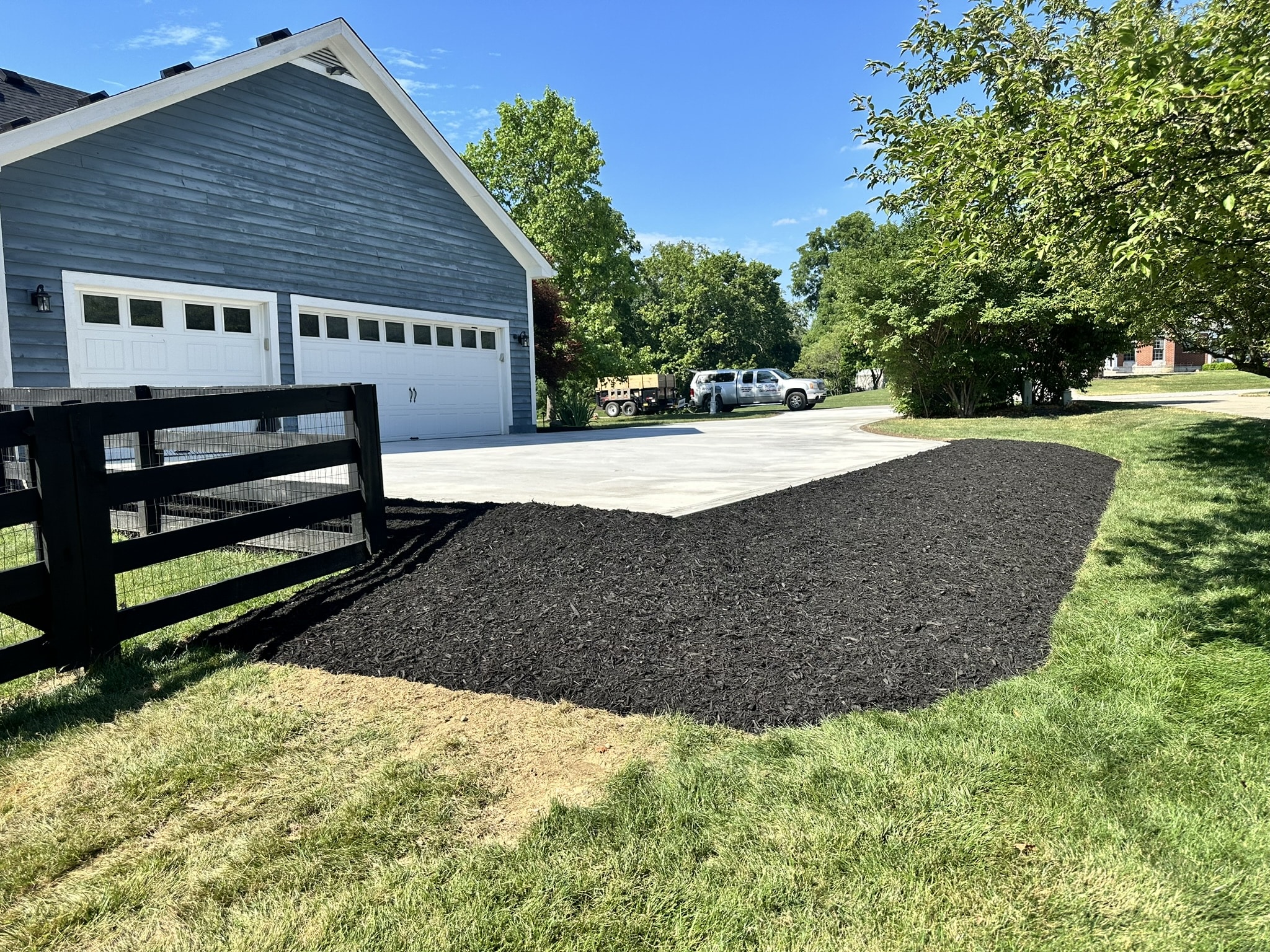
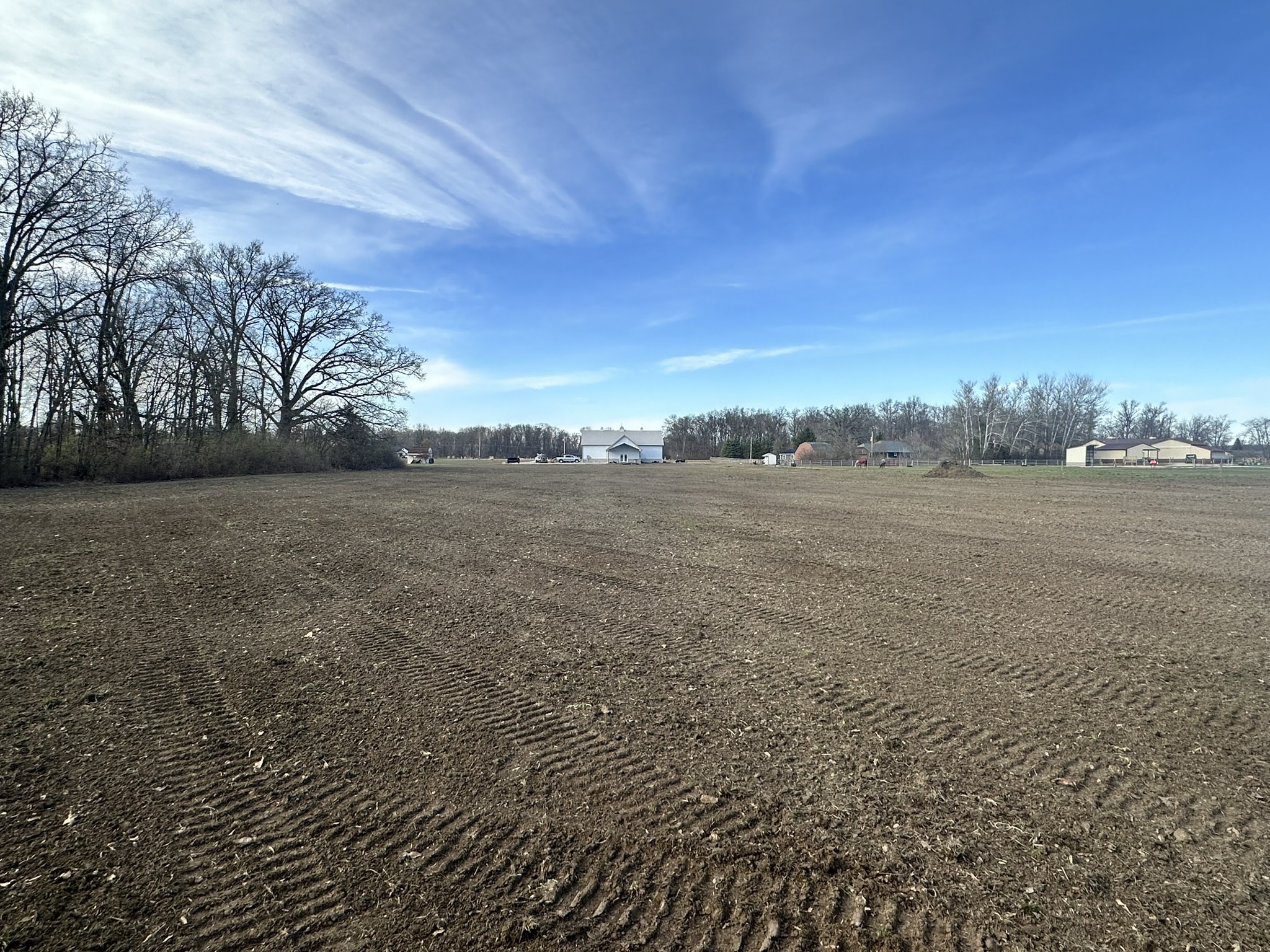
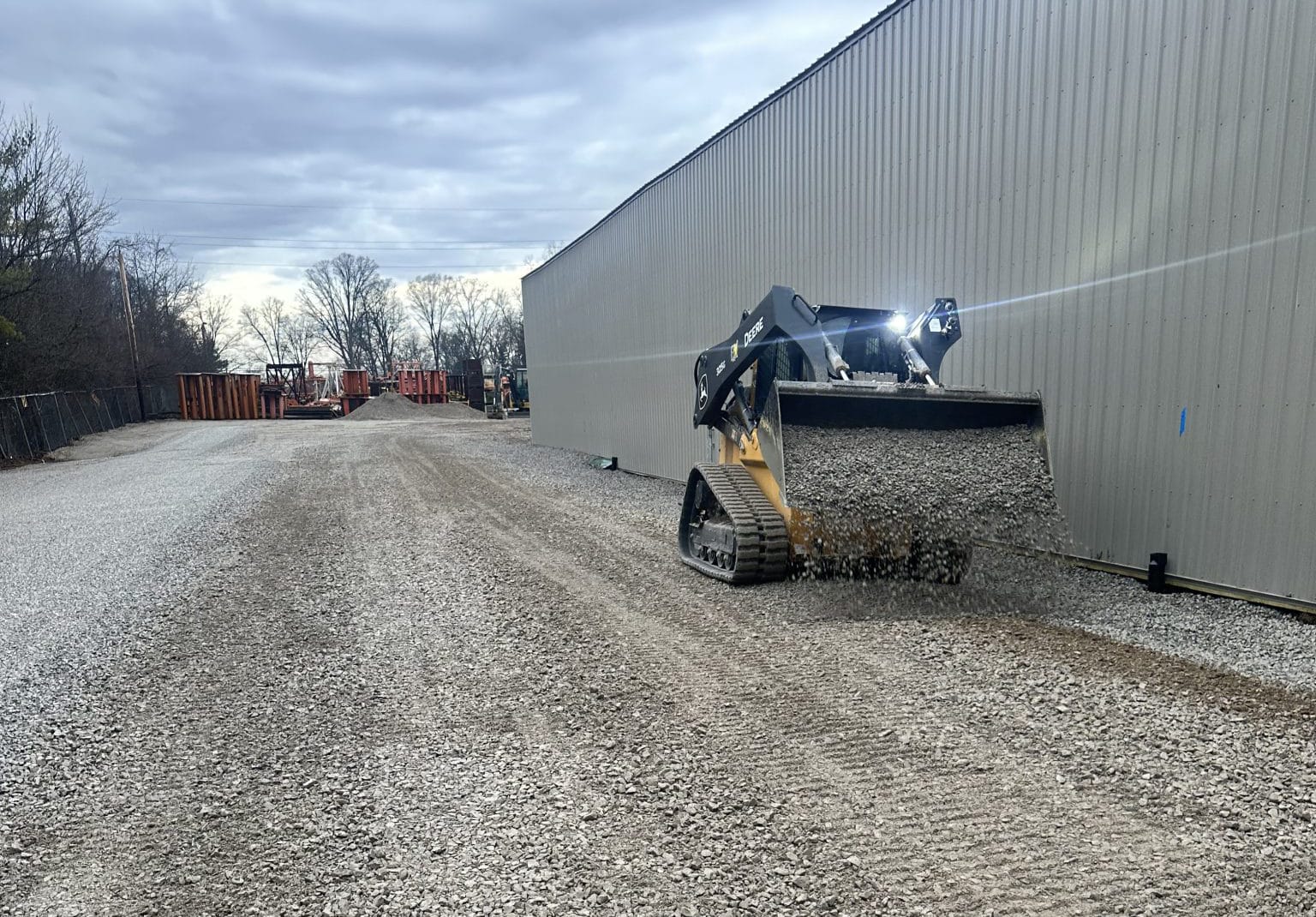
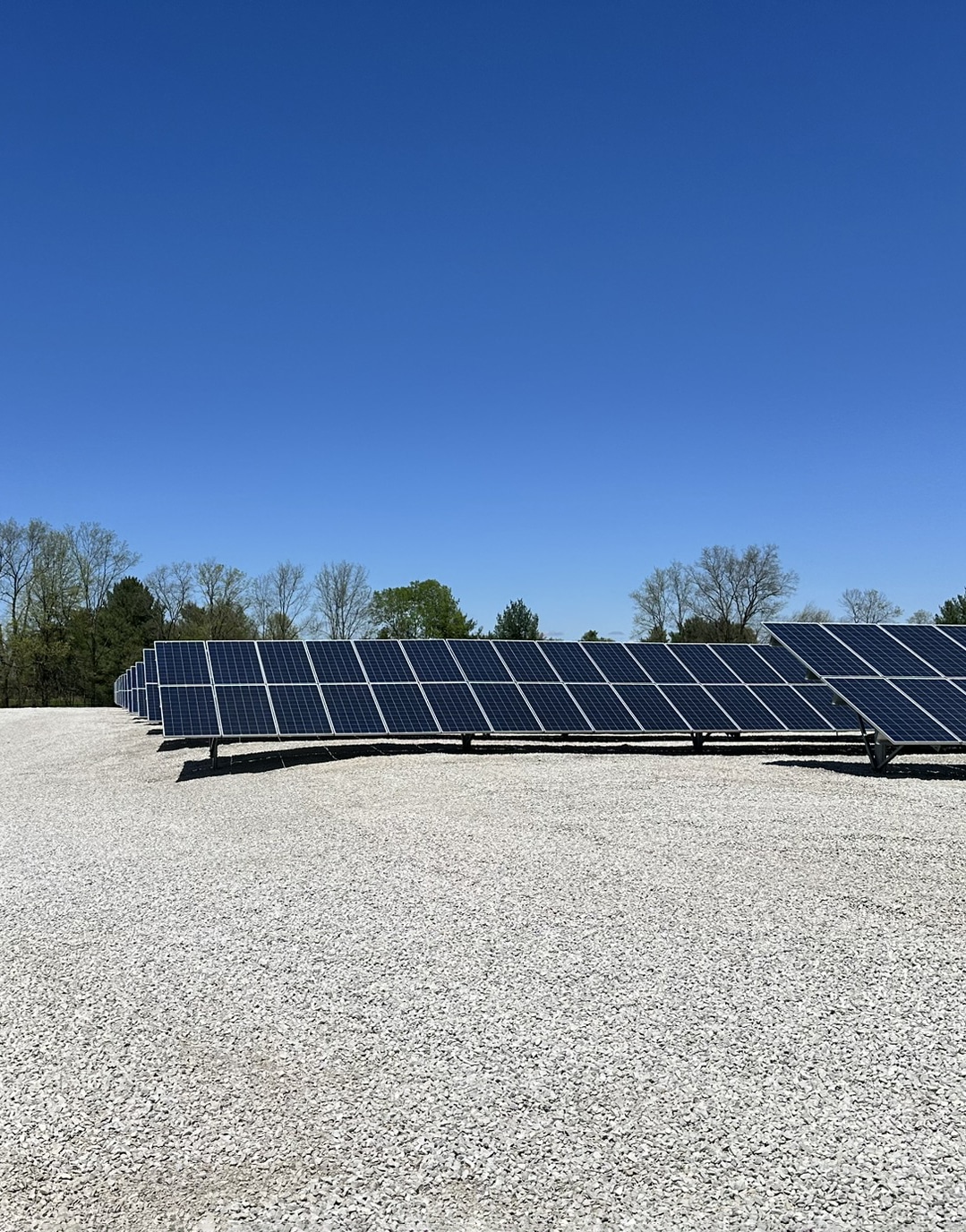
Recent Charlotte-area drain field installation work from our project gallery.

Residential Drain Field Installation Applications
- ✓New septic system installation for homes on larger Mecklenburg County lots
- ✓Failed drain field replacement in Matthews and Mint Hill subdivisions
- ✓Septic tank upgrades for home sales and real estate transactions
- ✓Pump chamber and force main installation on challenging terrain
- ✓Repair excavation for clogged lines and damaged distribution boxes
Commercial Drain Field Installation Applications
- ✓Commercial septic systems for churches and small businesses
- ✓Restaurant grease trap and pump system excavation
- ✓Multi-unit septic upgrades for older commercial properties
- ✓Engineered drain field installation for high-flow applications
- ✓Emergency septic repair for retail and office tenants
Why Local Charlotte Experience Matters
Local experience matters for drain field installation because Charlotte's soil conditions, utility infrastructure, and permitting processes vary dramatically between neighborhoods. A contractor familiar with Mecklenburg County Land Development standards, Charlotte Water requirements, and Union County Health Department septic regulations avoids costly delays and failed inspections.
We have completed drain field installation projects in established Charlotte neighborhoods with tight lot access, on rural Union County parcels with rock shelves, and on commercial sites along the I-485 corridor. That range of local experience means we anticipate challenges before they become change orders.
Charlotte's growth has created diverse project types — infill lots in Dilworth and South End, lakefront properties in Cornelius and Davidson, and commercial pads in Steele Creek and Concord. Our operators know how to adapt equipment and techniques to each setting while meeting code and protecting neighboring properties.
Drain Field Installation Service Areas
We provide drain field installation throughout the Charlotte metro area and surrounding counties. Select your community to learn about local excavation services.
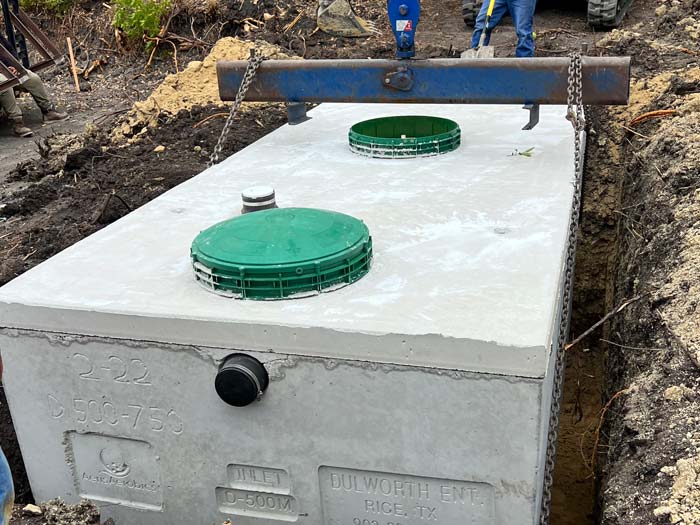
Drain Field Installation Project Gallery
Customer Reviews
-
“We needed a new septic system on a wooded lot in Matthews and Charlotte Excavation Services handled everything — permits, tank placement, drain field layout, and backfill. The crew explained each step, kept the site clean, and passed inspection on the first try. Highly recommend for anyone in the Charlotte area dealing with septic work.”
-
“Our builder needed exact footing dimensions on a sloped Huntersville lot. Charlotte Excavation Services showed up on schedule, used GPS grading equipment, and delivered a perfectly level excavation. The foundation contractor said it was one of the cleanest digs they had seen. Great communication throughout the project.”
-
“After every heavy rain, water pooled against our Indian Trail home. Charlotte Excavation Services regraded the yard, installed a French drain, and tied everything into a dry creek bed. Three months and several storms later, the yard stays dry. Fair pricing and a crew that clearly knows Charlotte clay soil.”
Drain Field Installation FAQs
Common questions about drain field installation in the Charlotte metro area.
How big does a drain field need to be in Mecklenburg County?
Drain field size depends on soil perc rate and daily wastewater flow (based on bedroom count). On Charlotte's typical clay soils with slow perc rates, a 3-bedroom home may need 300 to 500 linear feet of trench. Your septic designer calculates exact requirements during soil evaluation.
Can a drain field be installed in clay soil?
Yes, but clay's slow absorption rate requires larger fields or alternative technologies. Chamber systems and low-pressure distribution help overcome clay limitations. Very poor soils may require an engineered system or aerobic treatment unit with a smaller field.
How long after installation can I use the drain field?
The system can be placed in service after health department approval and connection to the septic tank. However, avoid driving over, building on, or compacting the field area permanently. Grass cover should be established within 30 days to prevent erosion.
Where on my property can a drain field be installed?
Drain fields must be in suitable soil areas meeting setback requirements — typically 100 feet from wells, 50 feet from property lines, 50 feet from surface water, and 15 feet from buildings and driveways. The soil evaluation identifies viable locations on your specific lot.
What is the difference between chambers and gravel trenches?
Conventional trenches use perforated pipe surrounded by gravel. Chamber systems use arched plastic chambers that provide storage and infiltration without gravel. Chambers are popular on Charlotte clay soils because they offer more capacity in a smaller footprint and are easier to install.
Can I plant trees near my new drain field?
Trees should be kept at least 25 feet from drain field trenches to prevent root intrusion. Ornamental grasses, wildflowers, and shallow-rooted plants are acceptable over drain fields. Avoid vegetable gardens over drain fields due to potential pathogen exposure. We provide a planting guide with every drain field installation.
How much does drain field installation cost in Charlotte, NC?
Costs for drain field installation in the Charlotte metro depend on project scope, soil conditions, access, and permit requirements. We provide free on-site estimates with itemized pricing. Number and length of drain field trenches; Soil perc rate determining field size; Chamber vs. conventional gravel system.
How long does drain field installation take in Mecklenburg County?
Drain field installation for a standard residential system (4 to 6 trenches) typically takes two to four days. Larger fields or challenging soil conditions extend the timeline. Health department inspection is scheduled immediately upon trench completion. The drain field must rest undisturbed after installation — no driving, building, or landscaping over the field area. Grass establishment takes two to four weeks before the system can be placed in service.
Do I need a permit for drain field installation in Charlotte?
Many drain field installation projects in Mecklenburg County and surrounding jurisdictions require permits — especially those involving utilities, storm drainage, or new construction. Charlotte Excavation Services identifies permit requirements during your consultation and coordinates with county inspectors.
What equipment is used for drain field installation?
We deploy equipment matched to your site: CAT 320 excavator with trenching bucket, Laser level for consistent trench depth, CAT 305 mini excavator for tight field areas, Chamber system installation tools, and more. Equipment selection depends on access, soil conditions, and project scope.
Why hire a local Charlotte contractor for drain field installation?
Local contractors understand Piedmont clay soils, Charlotte Water and utility coordination, Mecklenburg County permitting, and the access challenges on established neighborhood lots. Charlotte Excavation Services has completed hundreds of drain field installation projects across the metro area.
Is Charlotte Excavation Services licensed and insured for drain field installation?
Yes. We are fully licensed and insured for excavation work in North Carolina and South Carolina, with comprehensive liability and workers' compensation coverage. Certificates of insurance are available upon request.
Related Excavation Services
- Septic
Septic Installation
Complete septic system installation for Charlotte metro homes — tank, drain field, and pump systems — compliant with Mecklenburg County Health Department regulations.
Learn more → - Septic
Drain Field Replacement
Complete drain field replacement for failed leach fields in Matthews, Mint Hill, Waxhaw, and Mecklenburg County — new field installation in approved soil areas.
Learn more → - Septic
Septic Tank Excavation
Septic tank excavation for new installations, replacements, inspections, and pump-outs across Charlotte, Matthews, and Mecklenburg County.
Learn more → - Septic
Septic Repair
Septic system repair for failing tanks, clogged lines, and damaged drain fields in Matthews, Mint Hill, Waxhaw, and throughout Mecklenburg County.
Learn more →
Get a Free Drain Field Installation Estimate
Contact us today for a no-obligation quote on your Charlotte-area project.
Charlotte Excavation Services — Local Business Information
Service Area
Charlotte, Matthews, Mint Hill, Huntersville, Concord, Gastonia, Belmont, Indian Trail, Waxhaw, Fort Mill, Rock Hill, Monroe, and surrounding areas in Mecklenburg, Union, Cabarrus, Gaston, and York counties.
Credentials
Excavation contractor serving the greater Charlotte metropolitan area.
- Licensed NC & SC excavation contractor
- Fully insured — liability & workers' comp
- Free on-site estimates