Backfilling
Professional backfilling and compaction for foundations, utility trenches, septic systems, and excavation projects across Charlotte and Mecklenburg County.
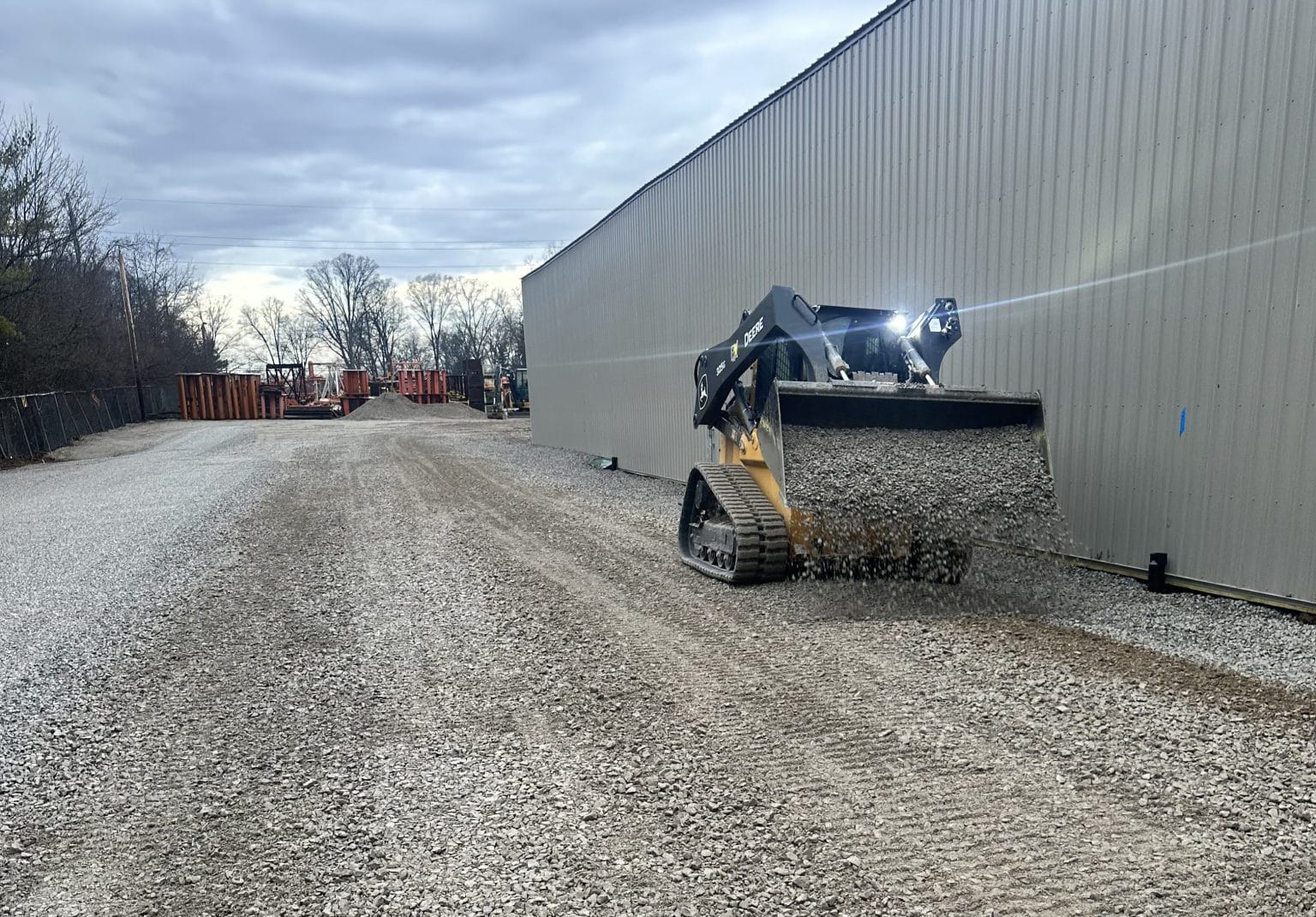
Get a Free Backfilling Estimate
Backfilling Overview
Backfilling is the process of returning soil or engineered fill material into excavated areas — foundation walls, utility trenches, septic excavations, basement cavities, and pool holes — and compacting it to required density standards. Proper backfilling is as critical as the excavation itself: inadequate backfill causes foundation walls to crack from lateral soil pressure, utility trenches to settle and create surface depressions, and septic systems to fail from improper cover. Charlotte Excavation Services provides backfilling that meets Mecklenburg County compaction standards on every project.
Foundation backfill places material against basement and crawl space walls after waterproofing and drainage board installation. The backfill material must be free-draining (not clay) to prevent hydrostatic pressure against walls, placed in lifts no more than 8 inches thick, and compacted to prevent settling that pulls away from the foundation. On Charlotte's clay soils, importing sand or gravel backfill for the first several feet against foundation walls is standard practice.
Utility trench backfill compacts material over installed pipe, conduit, and cable to prevent settling that creates dips in driveways, sidewalks, and yards. NC utility standards specify backfill methods by utility type — sand bedding and backfill for water lines, flowable fill or compacted soil for sewer and electrical trenches. Charlotte Excavation Services backfills utility trenches to the standard required by each utility owner and inspector.
Structural backfill for building pads, road bases, and retaining wall backfill requires imported material placed in controlled lifts and compacted to 95% standard proctor density with nuclear density testing. This engineered backfill provides the stable platform that structures, pavements, and walls depend on for long-term performance on Piedmont clay.
Whether backfilling a foundation wall on a new Huntersville home, a sewer trench in a Dilworth front yard, a septic tank excavation in Matthews, or a demolished pool cavity in south Charlotte, proper technique and compaction separate professional backfilling from simply pushing dirt into a hole.
Frost heave protection through proper backfill is important even in Charlotte's mild climate. While the NC frost line is only 18 inches, poorly backfilled utility trenches and foundation walls can heave during occasional freeze events — pushing pipes out of alignment and cracking foundation walls. Compacted backfill in lifts mitigates frost heave risk on Mecklenburg County properties.
Clean fill certification is required for backfill material placed in structural applications — building pads, road bases, and commercial foundations. Charlotte Excavation Services sources certified clean fill from approved suppliers, maintaining documentation that satisfies geotechnical engineer and county inspector requirements for material quality and origin.
Proper backfilling protects your Charlotte-area foundation, utilities, and landscape investment long-term. Charlotte Excavation Services backfills in compacted lifts using moisture-conditioned material that meets Mecklenburg County compaction standards and prevents settling around structures and trenches.
Why Choose Charlotte Excavation Services for Backfilling
Charlotte Excavation Services brings 25+ years of hands-on backfilling experience across Mecklenburg, Union, Gaston, and York counties. We understand Piedmont clay soils, local permitting requirements, and the access constraints common on Charlotte-area properties.
Every project receives a dedicated project manager who coordinates with your builder, inspector, or engineer. We communicate clearly, show up on schedule, and leave job sites clean — the reliability Charlotte homeowners and commercial clients expect from a top-tier excavation contractor.
Our crews use GPS-guided equipment for precision grading and footing excavation, reducing rework and keeping your project on budget. We carry full liability insurance and workers' compensation coverage required for residential and commercial work throughout North Carolina and South Carolina.
Signs You Need Backfilling
Backfilling is required after every excavation project once the purpose of the dig is complete. Foundation walls need backfill after waterproofing. Utility trenches need backfill after pipe inspection. Septic tanks need backfill after health department approval. There is no excavation project that does not require backfilling.
Settling trenches and depressions in yards — visible as dips in lawns, driveways, and sidewalks — indicate failed backfill from previous utility or construction work. These settled areas need re-excavation and proper backfill with compaction to restore the surface and prevent further settling.
Pool demolition and basement infill projects require large-volume backfill with compacted material to fill cavities that are 4 to 8 feet deep. Improper pool backfill creates a sinkhole hazard that can appear years later. Professional compaction in lifts is essential.
Retaining wall construction requires engineered backfill behind the wall — free-draining aggregate that prevents water pressure buildup. Charlotte properties with grade changes in Huntersville, Weddington, and south Charlotte need proper retaining wall backfill for wall longevity.
Building pad preparation involves structural backfill as the primary pad material. Any project requiring imported fill and compaction for a building platform is fundamentally a backfill operation executed to engineering specifications.
Charlotte Water and Duke Energy require specific backfill standards over their utility installations — sand bedding and backfill for water lines, flowable fill under roadways for gas and electrical crossings, and compacted native soil for sewer trenches. Charlotte Excavation Services backfills to each utility owner's specification to ensure inspection approval and long-term infrastructure integrity.
Landscape backfill around newly planted trees on Charlotte construction sites requires careful placement to avoid air pockets and ensure root-to-soil contact. Charlotte Excavation Services backfills tree wells and landscape beds with amended soil mixes that support healthy tree establishment in the challenging Piedmont clay environment.
Winter backfill operations in Charlotte require attention to soil moisture and freezing conditions. While deep ground freeze is rare in the Piedmont, surface frost and wet clay can complicate compaction. Charlotte Excavation Services adjusts backfill methods seasonally to maintain compaction quality year-round on Mecklenburg County projects.
Swimming pool removal backfill requires placing and compacting thousands of cubic yards of fill material in the pool cavity to prevent future settling. Charlotte Excavation Services imports clean fill, places it in compacted lifts, and grades the surface to match surrounding yard elevation — eliminating the sinkhole hazard that improper pool demolition backfill creates across Mecklenburg County.
Benefits of Professional Backfilling
-
Local Charlotte Expertise
Decades of backfilling experience across Mecklenburg, Union, Gaston, and York counties.
-
Modern Equipment Fleet
GPS-guided excavators, compact mini equipment, and grading systems matched to your project.
-
Permit Coordination
We handle Mecklenburg County and municipal permitting so your project stays compliant.
-
Transparent Pricing
Free on-site estimates with itemized scope — no surprise charges.
-
Safety-First Operations
NC 811 utility locates, trench protection, and OSHA excavation standards on every job.
-
Residential & Commercial
From backyard projects to commercial site work — one contractor for every scale.
Our Backfilling Process
-
Backfill Material Selection
We select backfill material appropriate for the application — free-draining sand/gravel for foundation walls, native soil or flowable fill for utility trenches, imported structural fill for building pads. Material is approved by the project engineer or inspector.
-
Lift Placement and Moisture Conditioning
Backfill is placed in maximum 8-inch lifts. Clay soil is moisture-conditioned to optimal compaction moisture. Each lift is spread evenly across the backfill area before compaction begins.
-
Compaction to Required Density
Vibratory plate compactors, trench rollers, and smooth drum rollers compact each lift to 95% standard proctor density (or project-specified density). Nuclear density testing verifies compaction on engineered projects.
-
Grade Restoration and Drainage
After backfill reaches final grade, the surface is shaped to restore positive drainage away from structures. Swales and drainage patterns are re-established. The backfilled area is graded smooth and ready for topsoil or surface restoration.
-
Surface Restoration
Topsoil is spread over landscape areas. Seed or sod is installed. Driveway and sidewalk areas are prepared for paving or concrete repair. The property is restored to pre-excavation appearance or better.
Equipment Used for Backfilling
We match equipment to site conditions, access constraints, and project scope — from compact mini excavators for tight Charlotte lots to full-size machines for commercial work.
- Vibratory plate compactors for trench and wall backfill
- Trench rollers for utility trench compaction
- Vibratory smooth drum roller for large area backfill
- CAT 320 excavator for material placement
- Skid steer for spreading backfill in tight areas
- Moisture conditioning water truck
- Nuclear density gauge (geotechnical coordination)
- Laser level for grade restoration
Typical Timeline
Foundation backfill takes one to two days. Utility trench backfill is completed the same day as pipe installation. Large-volume backfill (pool cavities, basement infill) takes two to five days depending on volume and compaction testing requirements.
Cost Factors
- ▸Volume of backfill material (cubic yards)
- ▸Imported material vs. on-site spoils
- ▸Compaction testing requirements
- ▸Foundation vs. trench vs. structural backfill type
- ▸Access difficulty for compaction equipment
- ▸Surface restoration scope (topsoil, sod, hardscape)
- ▸Depth and width of backfill area
- ▸Free-draining material premium for foundation walls
Backfilling in Action
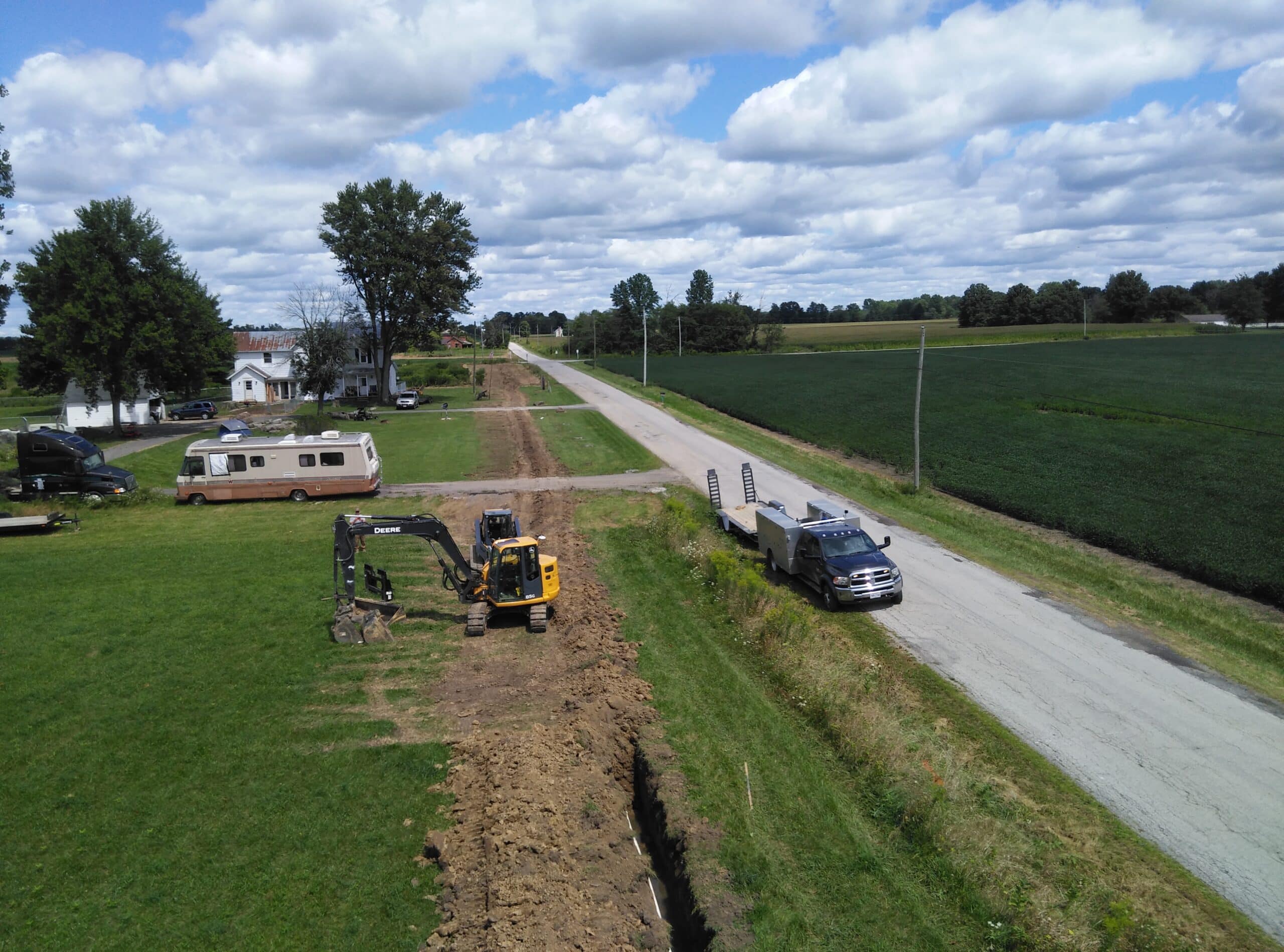
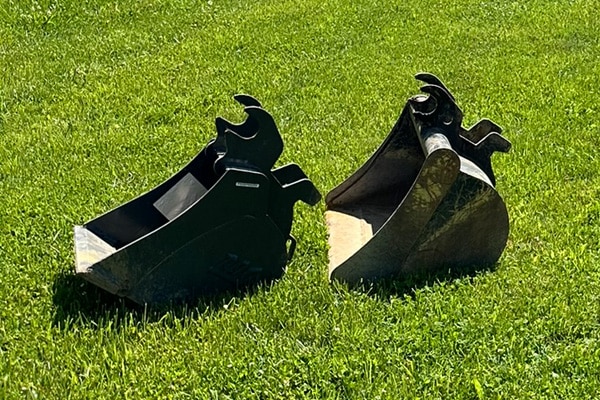
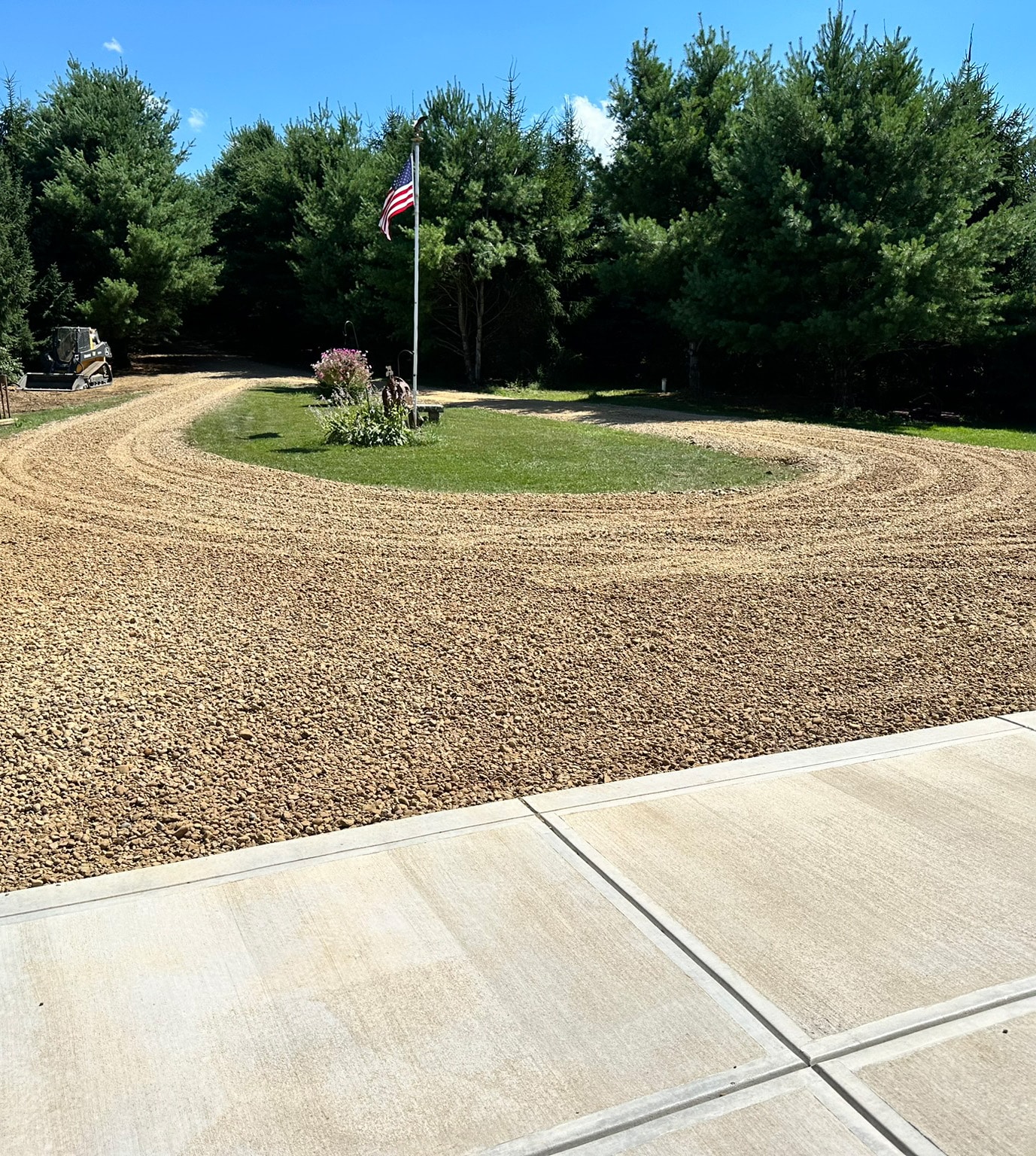
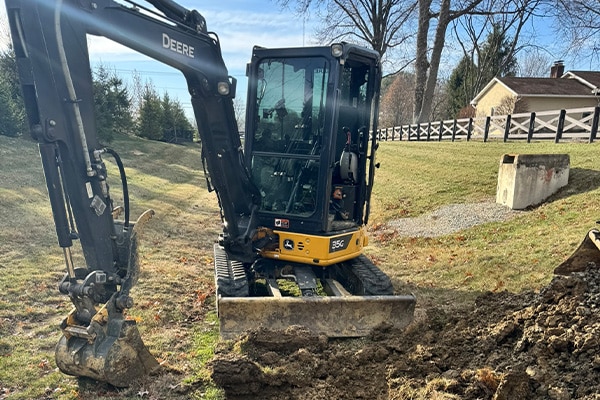
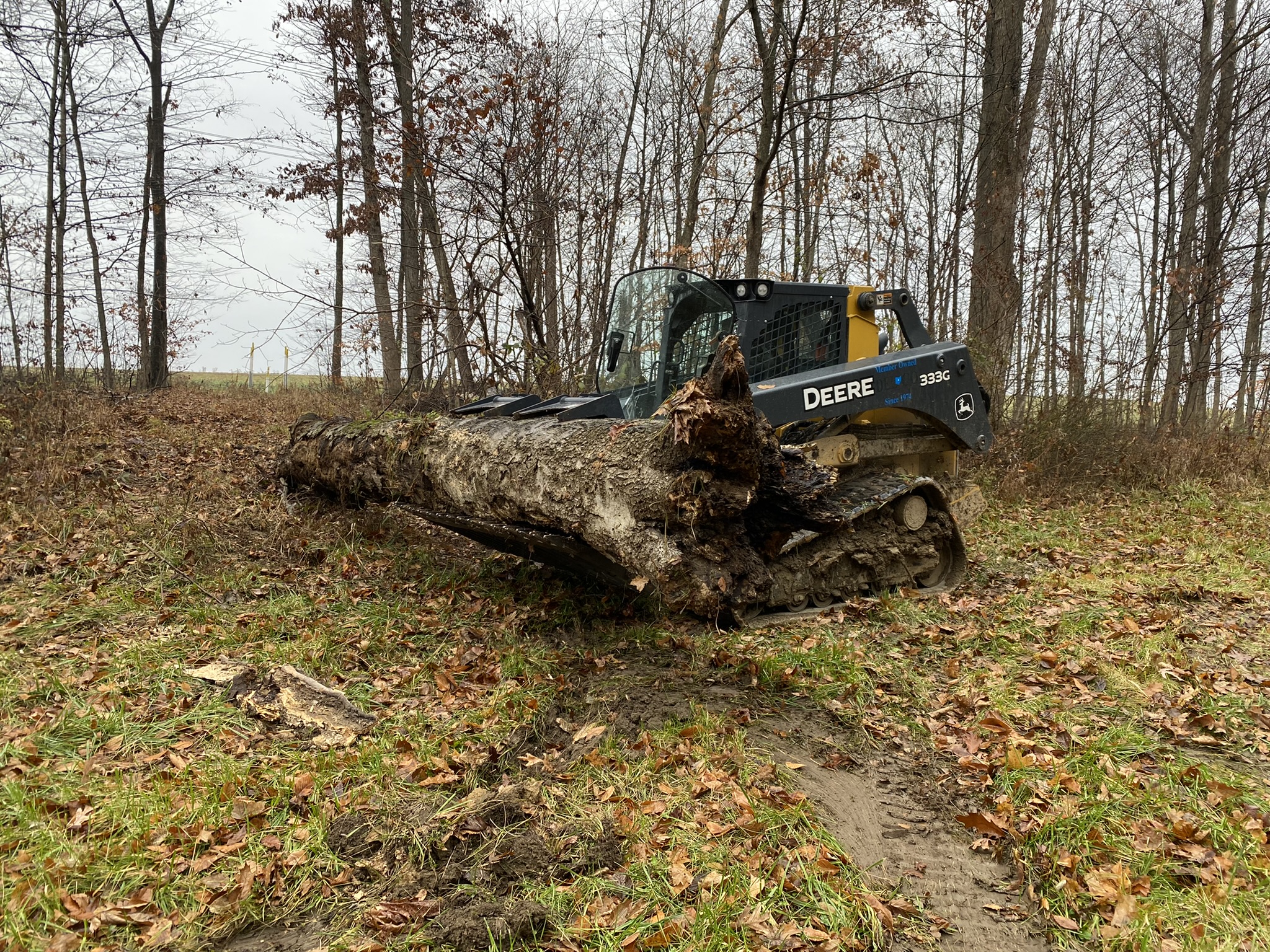
Recent Charlotte-area backfilling work from our project gallery.

Residential Backfilling Applications
- ✓Lot clearing for new home construction in Weddington and Marvin
- ✓Yard regrading and French drain installation for drainage correction
- ✓Gravel driveway installation on rural Union County properties
- ✓Demolition and site restoration for shed and pool removal
- ✓Final grading and topsoil placement before landscaping
Commercial Backfilling Applications
- ✓Commercial land clearing for development sites
- ✓Mass grading for shopping centers and industrial parks
- ✓Parking lot demolition and regrading
- ✓Erosion control grading for commercial construction
- ✓Site restoration after utility or building demolition
Why Local Charlotte Experience Matters
Local experience matters for backfilling because Charlotte's soil conditions, utility infrastructure, and permitting processes vary dramatically between neighborhoods. A contractor familiar with Mecklenburg County Land Development standards, Charlotte Water requirements, and Union County Health Department septic regulations avoids costly delays and failed inspections.
We have completed backfilling projects in established Charlotte neighborhoods with tight lot access, on rural Union County parcels with rock shelves, and on commercial sites along the I-485 corridor. That range of local experience means we anticipate challenges before they become change orders.
Charlotte's growth has created diverse project types — infill lots in Dilworth and South End, lakefront properties in Cornelius and Davidson, and commercial pads in Steele Creek and Concord. Our operators know how to adapt equipment and techniques to each setting while meeting code and protecting neighboring properties.
Backfilling Service Areas
We provide backfilling throughout the Charlotte metro area and surrounding counties. Select your community to learn about local excavation services.
Backfilling Project Gallery
-
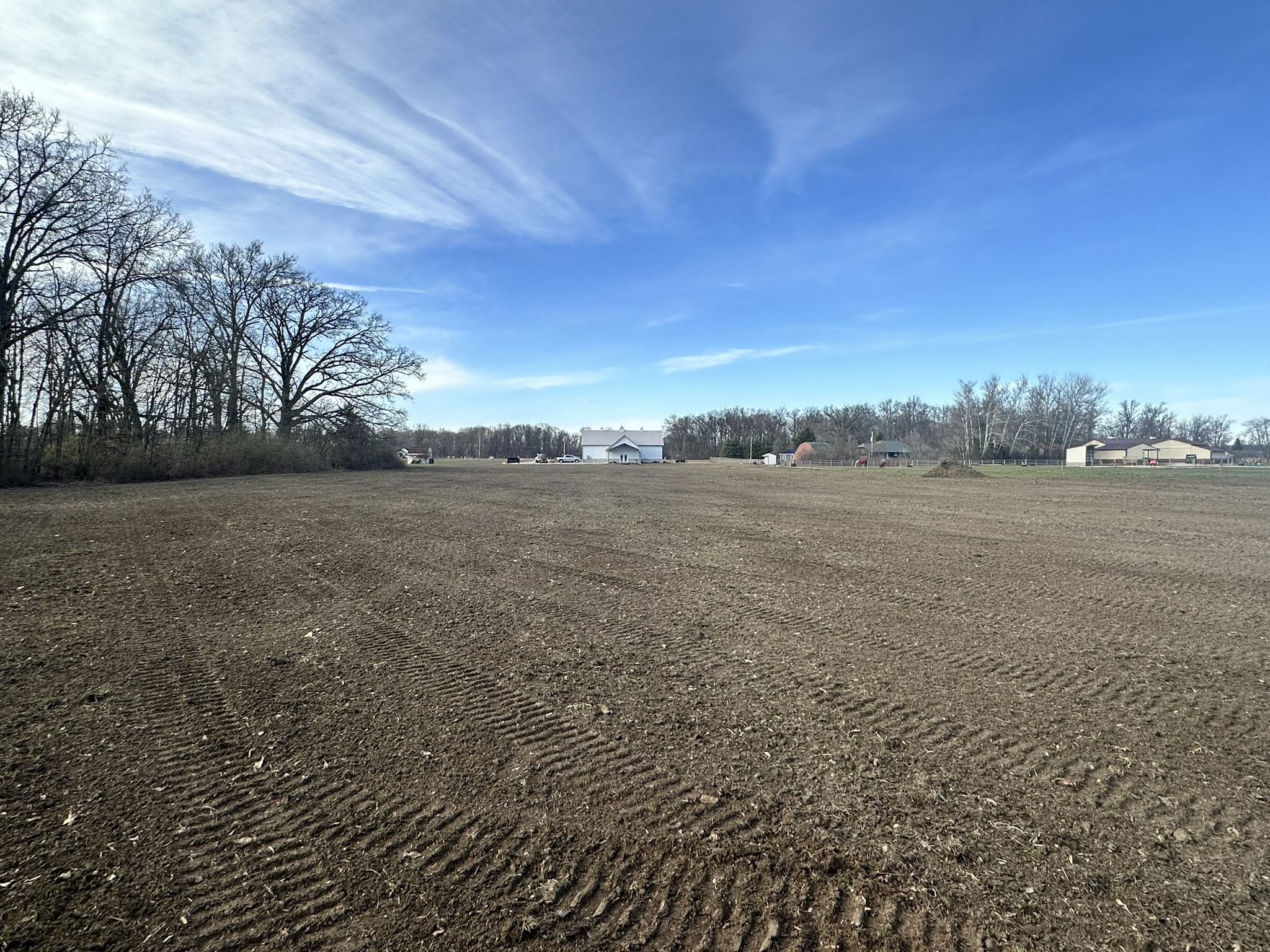 Foundation Excavation
Custom Home Foundation Excavation — Huntersville
Precision footing and basement excavation for a 4,200 sq ft custom residence on a sloped Lake Norman-area lot in Huntersville.
Huntersville, NC
-
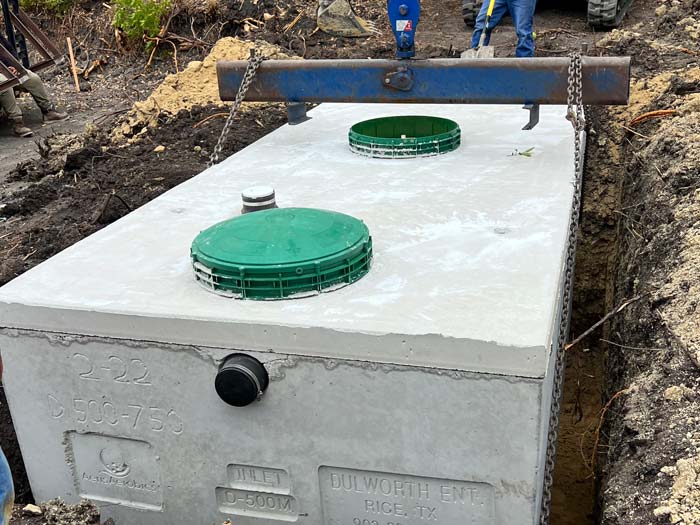 Septic Installation
Complete Septic System Replacement — Matthews
Full septic system replacement including 1,000-gallon tank, pump chamber, and engineered drain field for a Matthews family home on a 0.75-acre wooded lot.
Matthews, NC
-
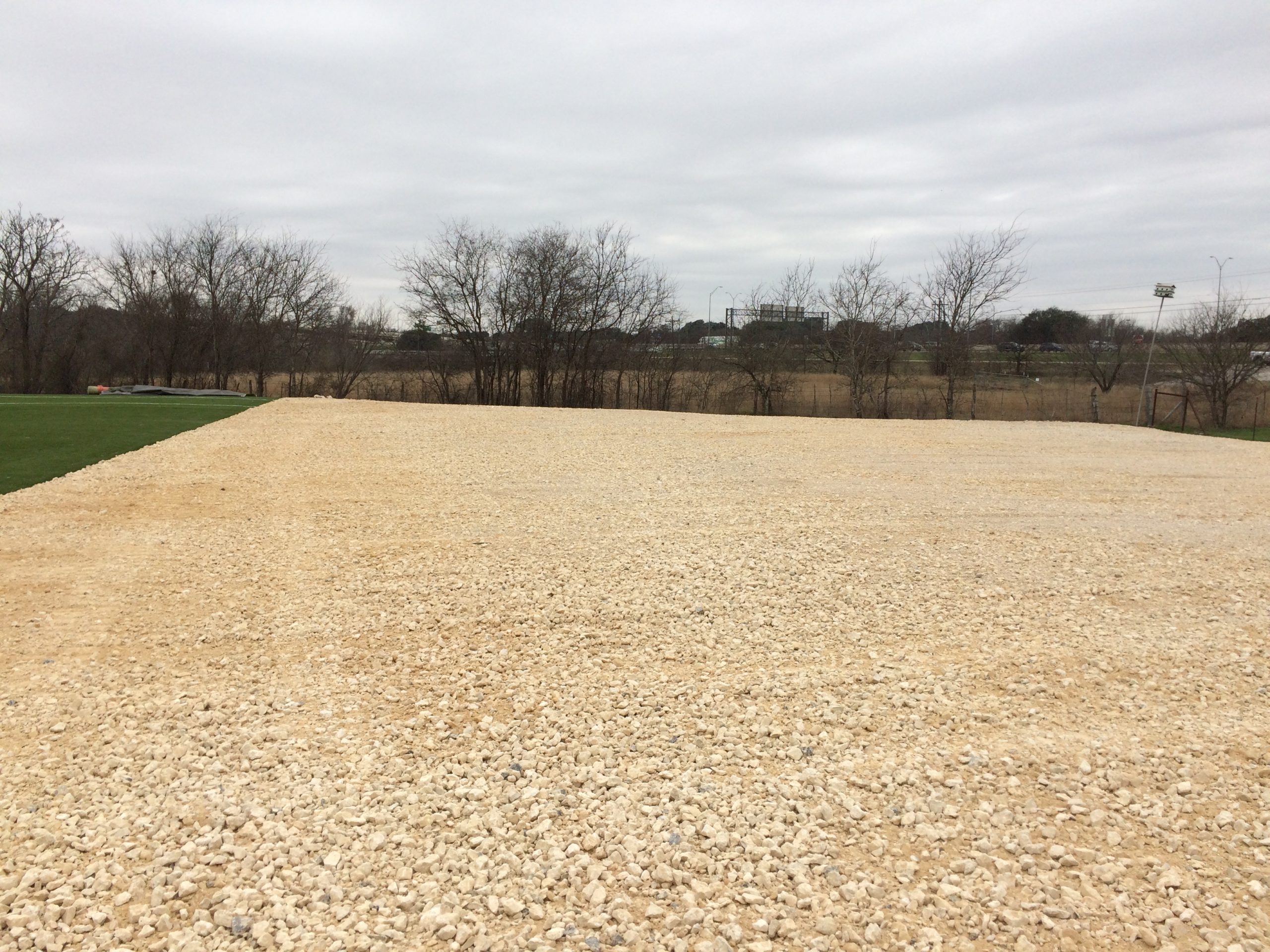 Building Pad Preparation
Commercial Building Pad — South Charlotte
Mass grading and building pad preparation for a 12,000 sq ft light industrial facility in south Charlotte near I-485.
Charlotte, NC
Customer Reviews
-
“We needed a new septic system on a wooded lot in Matthews and Charlotte Excavation Services handled everything — permits, tank placement, drain field layout, and backfill. The crew explained each step, kept the site clean, and passed inspection on the first try. Highly recommend for anyone in the Charlotte area dealing with septic work.”
-
“Our builder needed exact footing dimensions on a sloped Huntersville lot. Charlotte Excavation Services showed up on schedule, used GPS grading equipment, and delivered a perfectly level excavation. The foundation contractor said it was one of the cleanest digs they had seen. Great communication throughout the project.”
-
“After every heavy rain, water pooled against our Indian Trail home. Charlotte Excavation Services regraded the yard, installed a French drain, and tied everything into a dry creek bed. Three months and several storms later, the yard stays dry. Fair pricing and a crew that clearly knows Charlotte clay soil.”
Backfilling FAQs
Common questions about backfilling in the Charlotte metro area.
Why is proper backfill compaction important?
Uncompacted backfill settles over time — 10 to 30% volume loss is common. This settling creates depressions in yards and driveways, cracks in hardscape, and voids against foundation walls that allow water infiltration. Compaction to 95% density prevents these problems.
Can you use the clay dug out of the hole for backfill?
Clay can be used for general trench backfill away from foundations and drain fields, but it must be moisture-conditioned and compacted in lifts. Foundation walls require free-draining backfill (sand/gravel) against the wall. Drain field areas must not be backfilled with clay over trenches.
How long after backfill can I drive on my driveway?
Compacted trench backfill under driveways can support vehicle traffic immediately. However, we recommend waiting 48 hours for final settling before asphalt or concrete patching. Freshly backfilled areas without hardscape should avoid heavy traffic for one week.
My yard has sunk over a utility trench — can you fix it?
Yes. We re-excavate the settled area to the utility depth, re-backfill in compacted lifts, and restore the surface. This is a common repair on Charlotte properties where previous utility work was not properly compacted.
What is flowable fill and when is it used?
Flowable fill (controlled low-strength material) is a cementitious slurry poured into trenches that hardens to a weak concrete. It is used for utility trenches under roadways and sidewalks where maximum compaction is difficult. It prevents settling without mechanical compaction.
Do you backfill around newly poured foundation walls?
Yes. Foundation backfill is performed after waterproofing and footing drain installation are complete and inspected. We place free-draining material against the wall in compacted lifts, grade the surface for positive drainage, and protect the waterproofing membrane from damage during placement.
What is the compaction standard for backfill in Mecklenburg County?
Mecklenburg County requires backfill compaction to 95% of standard proctor density for structural applications including building pads, road bases, and utility trenches under paved surfaces. Foundation wall backfill uses free-draining material compacted in 8-inch lifts. Charlotte Excavation Services meets or exceeds these standards on every project.
How much does backfilling cost in Charlotte, NC?
Costs for backfilling in the Charlotte metro depend on project scope, soil conditions, access, and permit requirements. We provide free on-site estimates with itemized pricing. Volume of backfill material (cubic yards); Imported material vs. on-site spoils; Compaction testing requirements.
How long does backfilling take in Mecklenburg County?
Foundation backfill takes one to two days. Utility trench backfill is completed the same day as pipe installation. Large-volume backfill (pool cavities, basement infill) takes two to five days depending on volume and compaction testing requirements.
Do I need a permit for backfilling in Charlotte?
Many backfilling projects in Mecklenburg County and surrounding jurisdictions require permits — especially those involving utilities, storm drainage, or new construction. Charlotte Excavation Services identifies permit requirements during your consultation and coordinates with county inspectors.
What equipment is used for backfilling?
We deploy equipment matched to your site: Vibratory plate compactors for trench and wall backfill, Trench rollers for utility trench compaction, Vibratory smooth drum roller for large area backfill, CAT 320 excavator for material placement, and more. Equipment selection depends on access, soil conditions, and project scope.
Why hire a local Charlotte contractor for backfilling?
Local contractors understand Piedmont clay soils, Charlotte Water and utility coordination, Mecklenburg County permitting, and the access challenges on established neighborhood lots. Charlotte Excavation Services has completed hundreds of backfilling projects across the metro area.
Is Charlotte Excavation Services licensed and insured for backfilling?
Yes. We are fully licensed and insured for excavation work in North Carolina and South Carolina, with comprehensive liability and workers' compensation coverage. Certificates of insurance are available upon request.
Related Excavation Services
- Excavation
Foundation Excavation
Precision foundation excavation for footings, stem walls, and slab-on-grade foundations throughout Charlotte, Matthews, Huntersville, and Mecklenburg County.
Learn more → - Utilities
Utility Trenching
Utility trenching for electrical, gas, fiber, irrigation, and storm drain lines across Charlotte, Matthews, Huntersville, and Mecklenburg County.
Learn more → - Septic
Septic Tank Excavation
Septic tank excavation for new installations, replacements, inspections, and pump-outs across Charlotte, Matthews, and Mecklenburg County.
Learn more → - Dirt Work
Final Grading
Final grading and topsoil placement for landscaping, sod, and seed — the finishing earthwork for Charlotte-area construction and renovation projects.
Learn more →
Get a Free Backfilling Estimate
Contact us today for a no-obligation quote on your Charlotte-area project.
Charlotte Excavation Services — Local Business Information
Service Area
Charlotte, Matthews, Mint Hill, Huntersville, Concord, Gastonia, Belmont, Indian Trail, Waxhaw, Fort Mill, Rock Hill, Monroe, and surrounding areas in Mecklenburg, Union, Cabarrus, Gaston, and York counties.
Credentials
Excavation contractor serving the greater Charlotte metropolitan area.
- Licensed NC & SC excavation contractor
- Fully insured — liability & workers' comp
- Free on-site estimates