Excavation FAQs
60+ answers to common questions about excavation, septic, grading, utilities, permits, and dirt work in Charlotte and the surrounding metro area.
See the Work Behind the Answers
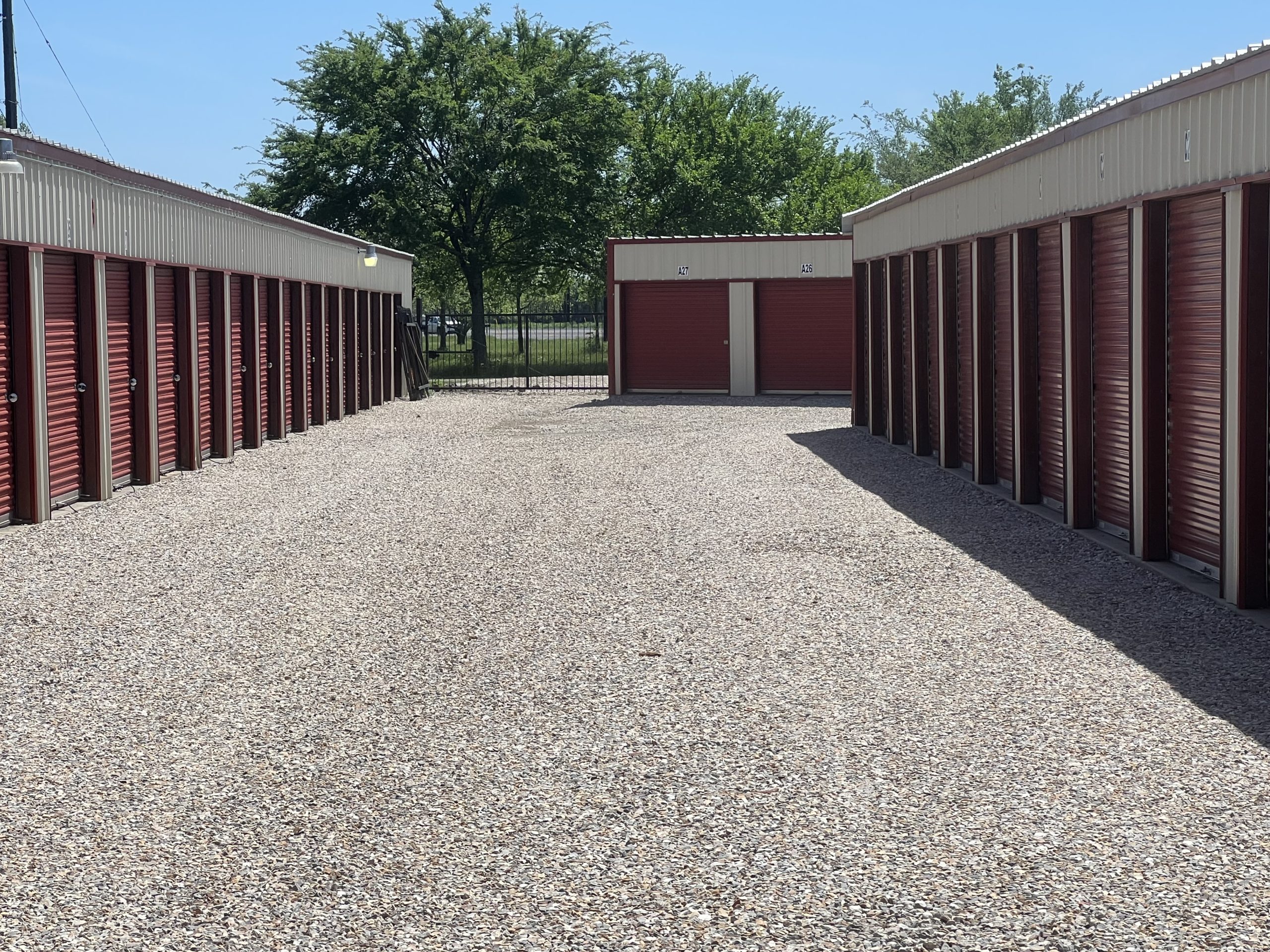
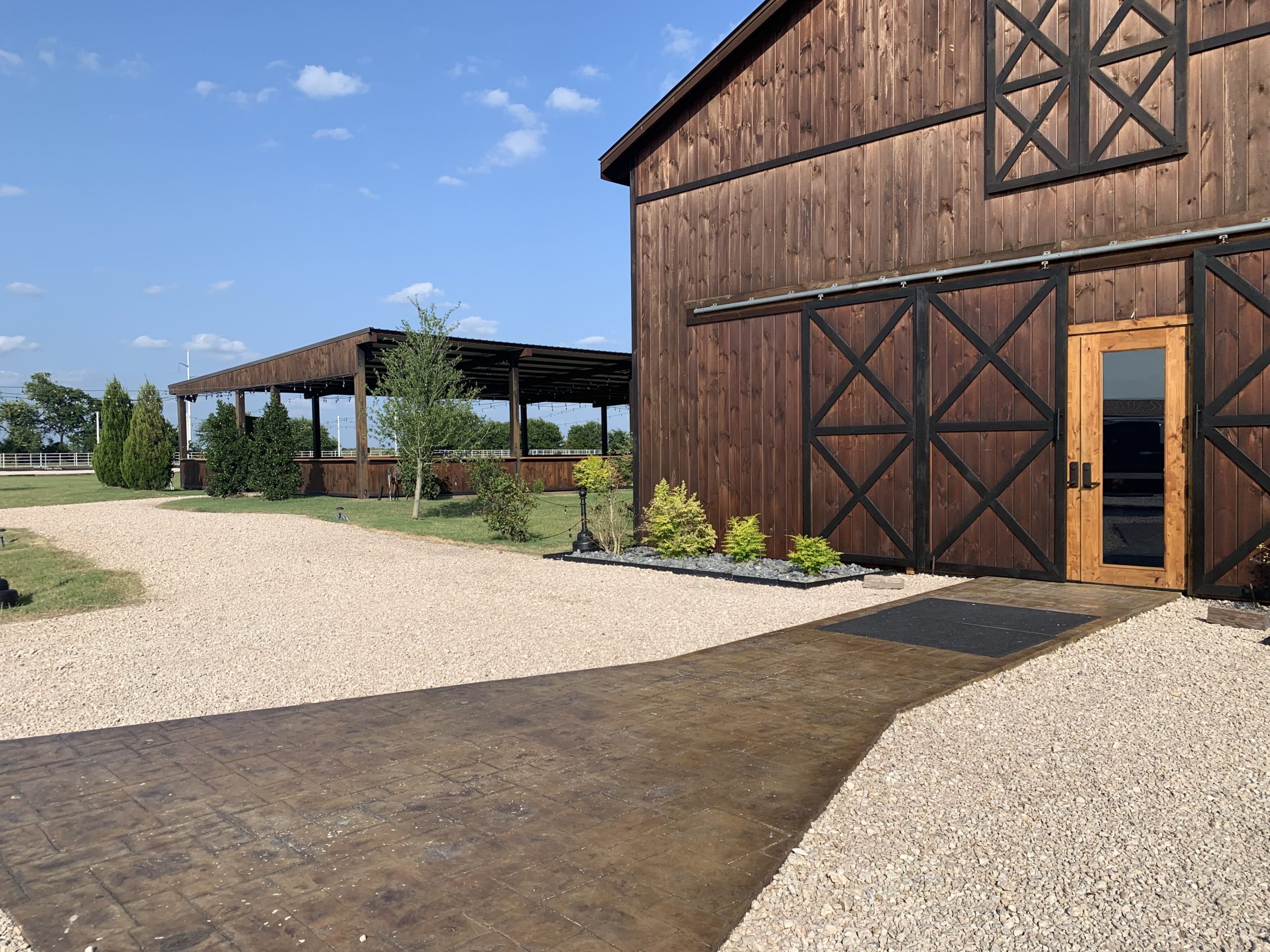
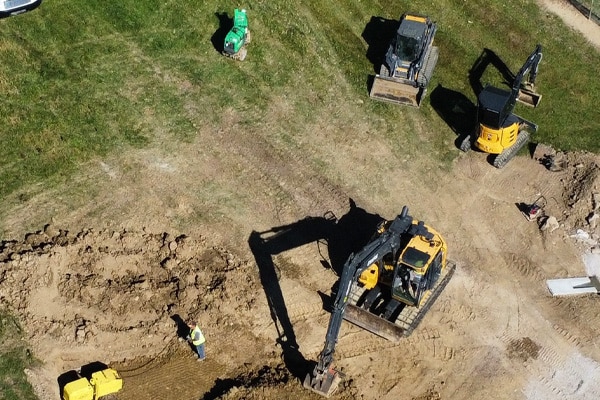
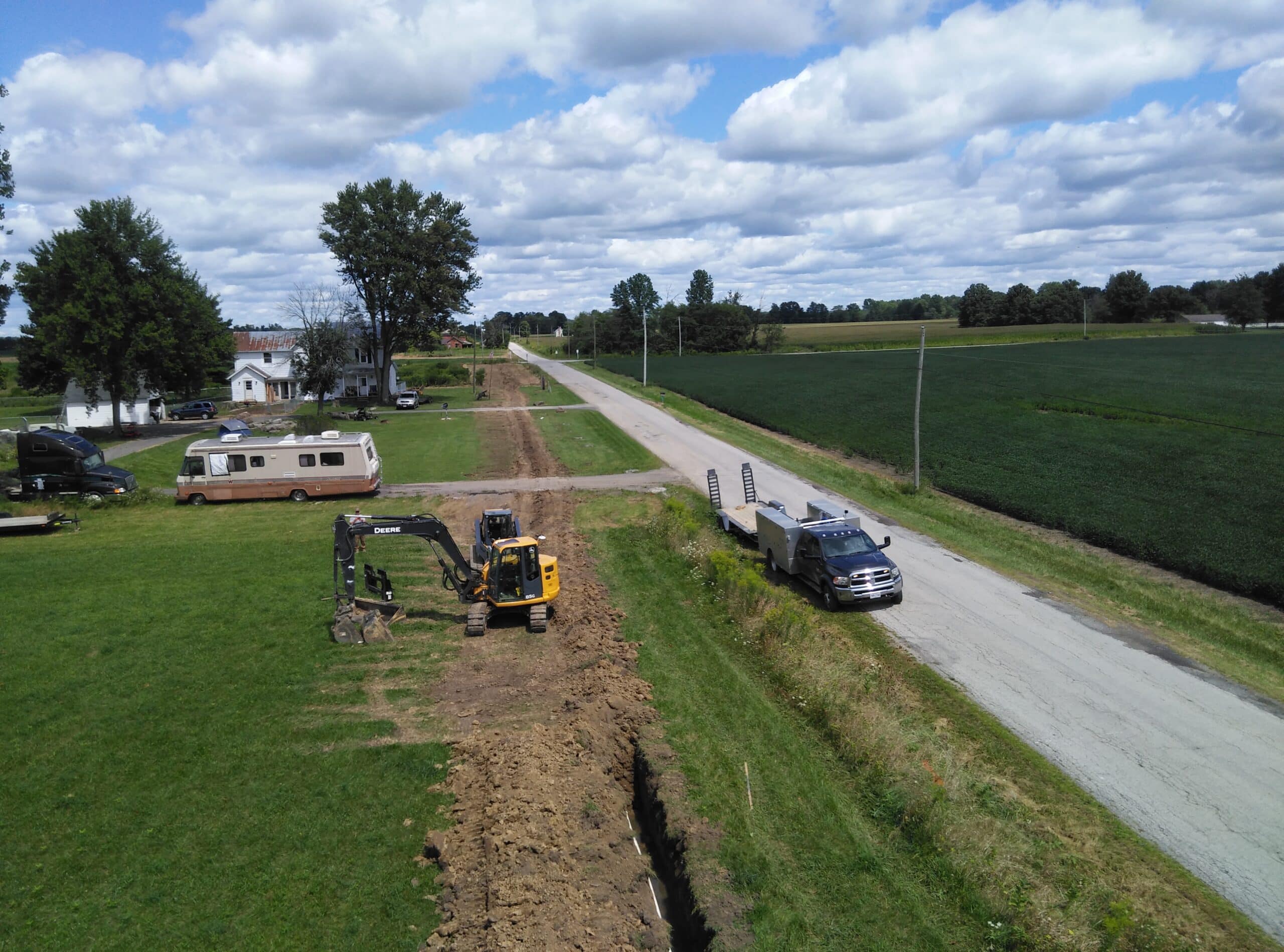
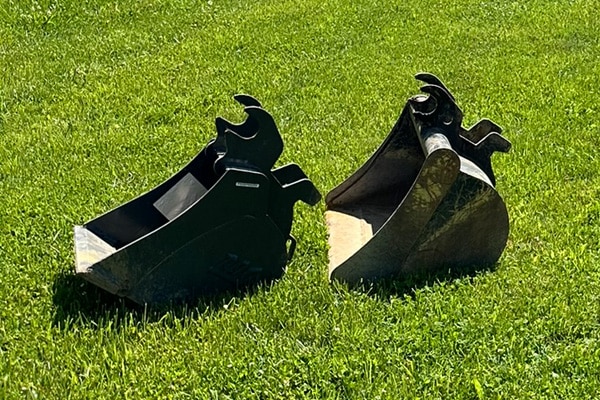
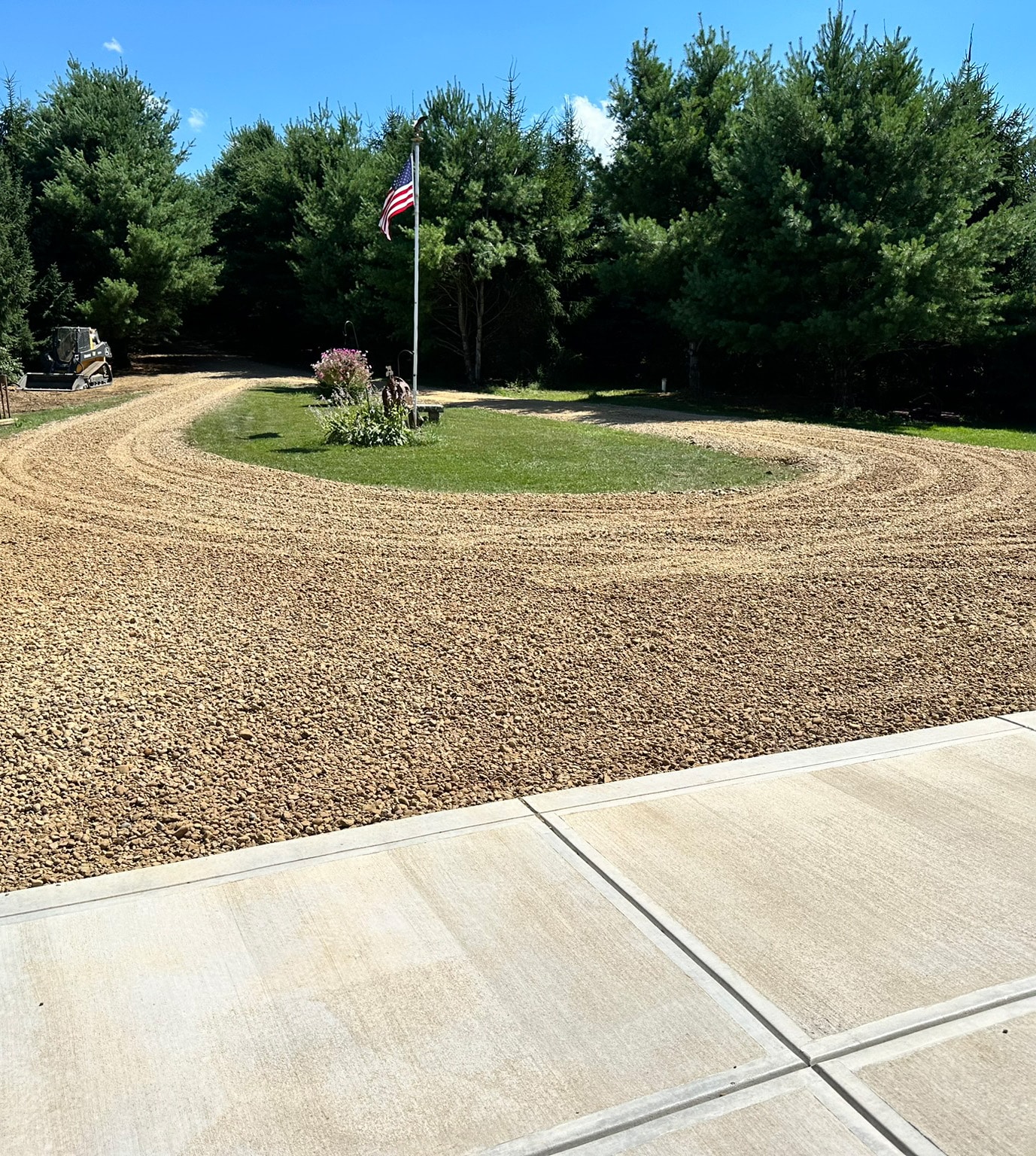
Photos from Charlotte excavation, septic, grading, and utility projects referenced throughout these FAQs.


General
General questions for Charlotte-area excavation projects.
What excavation services do you offer in Charlotte, NC?
Charlotte Excavation Services provides residential and commercial excavation, foundation and basement digging, site and building pad preparation, septic installation and repair, sewer and water line work, utility trenching, land clearing, grading, drainage solutions, demolition, gravel driveways, and backfilling. We serve homeowners, builders, and commercial developers throughout the Charlotte metro. Every project starts with a free on-site consultation to assess scope, access, and soil conditions.
Are you licensed and insured for excavation work in North Carolina?
Yes. Charlotte Excavation Services is fully licensed and insured for excavation work in North Carolina and South Carolina. We carry comprehensive general liability insurance and workers' compensation coverage. Certificates of insurance are available upon request for homeowners, HOAs, and general contractors.
How do I get a free estimate for my excavation project?
Contact us through our online form or call us directly to schedule a free on-site consultation. We assess your project, discuss soil conditions and access, and provide a detailed written estimate — typically within 24–48 hours of the site visit. There is no obligation, and we are happy to answer questions before you commit.
What soil conditions are common in the Charlotte area?
Most Charlotte-area properties sit on Piedmont red clay and saprolite soils with variable drainage characteristics. Low-lying areas near creeks may have high water tables, while upland lots in Weddington, Waxhaw, and the Lake Norman area often encounter rock shelves. Soil conditions affect excavation difficulty, compaction requirements, septic design, and drainage strategies — we evaluate these during every site visit.
Do you work with general contractors and builders in Charlotte?
Yes. We regularly partner with custom home builders, production builders, and general contractors across Mecklenburg County and the surrounding metro. We coordinate schedules with framing crews, plumbers, and inspectors to keep projects on track. Our team understands builder timelines and communicates proactively when site conditions change.
Excavation
Excavation questions for Charlotte-area excavation projects.
How deep do you excavate for a residential foundation in Charlotte?
Residential footing excavations in Mecklenburg County typically range from 18 to 36 inches below finished grade, depending on frost depth requirements, soil bearing capacity, and engineer specifications. Basement excavations in areas like Ballantyne or South Charlotte may go 8 to 10 feet deep. We follow your structural engineer's plans and coordinate with the county inspector before pouring footings.
Can you excavate for a basement in the Charlotte clay soils?
Yes. Basement excavation is common in upscale neighborhoods throughout South Charlotte, Myers Park, and Lake Norman communities. Piedmont clay holds its shape well during excavation but requires careful waterproofing and drainage design due to seasonal moisture fluctuations. We coordinate with your builder on shoring, dewatering if needed, and proper backfill compaction around foundation walls.
What is the difference between rough and fine grading?
Rough grading establishes the general shape and elevation of your site, moving large volumes of earth to achieve approximate contours and drainage patterns. Fine grading brings the surface to precise elevations required for driveways, lawns, building pads, and final landscaping. In Mecklenburg County, fine grading must meet engineer or surveyor specifications before paving or sod installation.
Do you handle rock excavation on Charlotte-area lots?
Yes. Piedmont bedrock and boulder fields are common in areas like Weddington, Marvin, and parts of Huntersville. We use hydraulic breakers, rippers, and occasionally specialized rock hammers depending on the formation. Rock excavation is priced separately from standard soil digging because it requires different equipment and significantly more time.
Can you excavate around existing structures without causing damage?
Tight-access excavation near existing foundations, retaining walls, and utilities is one of our specialties. We use compact equipment, hand digging where necessary, and vibration monitoring on sensitive structures in older neighborhoods like Dilworth and Elizabeth. Proper shoring and gradual excavation techniques protect adjacent structures throughout the process.
Septic
Septic questions for Charlotte-area excavation projects.
How much does a new septic system cost in Mecklenburg County?
New septic system installations in Mecklenburg County typically range from $8,000 to $25,000 depending on tank size, drain field type, soil conditions, and site access. Properties with poor percolation rates may require engineered systems or alternative treatment units, which increase cost. We provide itemized estimates after a site evaluation and soil analysis.
How long does a septic system installation take?
A standard septic installation in the Charlotte area typically takes 3 to 7 days once permits are approved. This includes tank setting, drain field construction, plumbing connections, and initial backfill. Weather and Health Department inspection scheduling can extend timelines, especially during rainy seasons when clay soils become too wet to work.
What permits are required for septic work in Mecklenburg County?
Septic installations and repairs require permits from the Mecklenburg County Health Department, including a site evaluation and soil analysis. New systems need an approved permit before any excavation begins, and all work must pass inspection before backfill. Charlotte Excavation Services handles permit applications and coordinates inspections on your behalf.
Can you repair a failing drain field in Charlotte?
Yes. We diagnose drain field failures caused by soil saturation, root intrusion, tank overflow, or age-related breakdown. Depending on the condition, repairs may involve jetting lines, replacing sections of drain field, or installing a new field in an approved location on your property. The Health Department must approve any repair or replacement before work begins.
What size septic tank do I need for my Charlotte home?
Mecklenburg County Health Department determines tank size based on bedroom count, fixture units, and daily wastewater flow. A typical three-bedroom home requires a 1,000-gallon tank, while larger homes may need 1,250 or 1,500 gallons. We install tanks that meet current code and coordinate sizing with your Health Department permit.
Utilities
Utilities questions for Charlotte-area excavation projects.
Do you handle utility locates before digging in Charlotte?
Absolutely. Before any excavation begins, we coordinate NC 811 utility locates for all buried lines including water, sewer, gas, electric, and telecommunications. On older Charlotte properties, we often recommend exploratory potholing in areas where unmapped utilities may exist. Digging without locates is never an option on our job sites.
Can you install a new water line from the street to my house?
Yes. We trench and install copper, PEX, or HDPE water service lines from the municipal tap or well connection to your home. In Charlotte, water line depth must meet city code to prevent freezing — typically 12 inches below the frost line. We handle the trenching, pipe installation, connection, and backfill with proper compaction.
Do you install sewer lines for new construction in Charlotte?
We install gravity sewer lines, force mains, and cleanout assemblies for new homes and commercial buildings throughout Mecklenburg County. Lines are bedded in crushed stone, set to proper slope for drainage, and pressure-tested before inspection. We coordinate with Charlotte Water or your local municipality for tap and connection requirements.
Can you trench for electrical and fiber conduit?
Yes. We trench for underground electrical service, landscape lighting, and fiber optic conduit runs on residential and commercial properties. Trenches are dug to the depth and width specified by your electrician or low-voltage contractor. We backfill with warning tape and compacted material per utility company requirements.
What is directional boring and when is it used in Charlotte?
Directional boring (horizontal directional drilling) installs underground utilities without open trenching, which is ideal for crossing driveways, roads, creeks, and landscaped areas. In Charlotte, we use boring for sewer, water, gas, and conduit runs where trenching would cause excessive disruption. It costs more than open trenching but saves restoration expenses on finished surfaces.
Dirt Work
Dirt Work questions for Charlotte-area excavation projects.
What is land grading and why is it important in Charlotte?
Land grading reshapes your property to achieve proper drainage away from structures, create level building pads, and prepare surfaces for landscaping or paving. Charlotte's clay soils drain poorly when flat, so correct grading prevents foundation water intrusion, yard flooding, and erosion. We grade to engineer or surveyor specifications with laser-level precision.
Can you build a gravel driveway on a Charlotte property?
Yes. We install gravel driveways with proper sub-base preparation, geotextile fabric where needed, and compacted stone layers that hold up to Piedmont clay conditions. A well-built gravel drive in Charlotte typically uses crusher run or ABC stone topped with finer gravel for a smooth surface. We can also grade and resurface existing gravel drives that have settled or rutted.
Do you provide drainage solutions for yards that flood?
Yard flooding is common in Charlotte due to clay soils and heavy summer thunderstorms. We install French drains, catch basins, channel drains, swales, and dry creek beds to redirect water away from structures and low spots. Effective drainage design accounts for your property's slope, soil percolation, and downstream discharge points.
Can you clear trees and brush from a lot before building?
Yes. We provide land clearing services including tree removal, stump grinding, brush clearing, and root rake cleanup for residential and commercial lots. In Mecklenburg County, clearing more than one acre or work near streams may trigger additional permits or buffer requirements. We assess regulatory requirements during your initial consultation.
What is fill dirt and when do I need it on my Charlotte property?
Fill dirt is used to raise low areas, level building pads, backfill foundations, and correct drainage problems. Charlotte's expansive clay requires proper fill selection — structural fill for building pads and general fill for landscape grading. We import, spread, and compact fill to engineer specifications so your pad meets bearing capacity requirements.
Permits & Regulations
Permits & Regulations questions for Charlotte-area excavation projects.
Do I need a permit for excavation in Mecklenburg County?
Most excavation projects involving new construction, utility connections, storm drainage, or disturbance over certain acreage thresholds require permits from Mecklenburg County Land Development or the City of Charlotte. Septic work requires Health Department permits. Charlotte Excavation Services determines permit requirements during your consultation and handles coordination with county inspectors.
What is an erosion control permit and when is it required?
Mecklenburg County requires erosion and sedimentation control plans for land-disturbing activities over one acre, or as little as 5,000 square feet in certain jurisdictions. This includes silt fencing, inlet protection, and stabilization measures to prevent sediment from reaching storm drains and creeks. We install and maintain erosion controls throughout your project and schedule required inspections.
Are there setback requirements for excavation near property lines?
Yes. Mecklenburg County and individual municipalities enforce setback requirements for structures, septic systems, and drainage features relative to property lines, easements, and rights-of-way. Excavation near boundaries may also require a property survey to avoid encroachment. We review your survey and permit documents before breaking ground.
Do HOA communities in Charlotte have additional excavation rules?
Many Charlotte-area HOA communities — particularly in Ballantyne, Providence Plantation, and Lake Norman subdivisions — require architectural review and approval before exterior work including grading, drainage, and driveway modifications. We recommend submitting plans to your HOA before scheduling work. Our estimates can include documentation needed for HOA review boards.
What happens if my project fails a county inspection?
If an inspection identifies issues — such as improper compaction, incorrect pipe slope, or inadequate erosion controls — we correct the deficiency and schedule a re-inspection at no additional labor charge for work within our scope. Our team builds to code the first time, but Charlotte's clay soils and weather can occasionally require adjustments. We communicate inspection results immediately and resolve issues promptly.
Costs & Pricing
Costs & Pricing questions for Charlotte-area excavation projects.
How much does excavation cost in Charlotte?
Excavation costs in the Charlotte area vary widely based on project scope. Simple utility trenches may start around $2,000–$5,000, while full site preparation for a custom home can range from $8,000 to $25,000+. Commercial mass grading projects are priced by cubic yard and acreage. We provide free on-site estimates with itemized pricing so you understand exactly what your project involves.
What factors affect the price of an excavation project?
Key cost drivers include project size, soil type, rock content, access constraints, equipment mobilization, haul-off or import of material, permit fees, and restoration requirements. Tight lots in established Charlotte neighborhoods often cost more per cubic yard due to compact equipment and hand work. We itemize these factors in every estimate so there are no surprises.
Do you charge for estimates and site visits?
No. On-site consultations and written estimates are free for homeowners and property owners within our service area. For large commercial projects or multi-phase developments, we may discuss a preliminary design fee for engineered grading plans, but standard residential and light commercial estimates are always complimentary.
What payment methods and terms do you accept?
We accept checks, ACH bank transfers, and major credit cards for residential projects. Payment schedules typically include a deposit at contract signing, progress draws for larger jobs, and final payment upon completion and inspection approval. Commercial clients and builders can arrange net-30 billing with approved credit applications.
Is hauling and disposal of excavated material included in your pricing?
Haul-off is quoted separately because the volume and disposal location significantly affect cost. Clean fill may be reused on-site or donated, while mixed soil, rock, and debris must go to approved Mecklenburg County facilities. We estimate haul quantities during your site visit and include transparent line items for trucking and tipping fees.
Equipment
Equipment questions for Charlotte-area excavation projects.
What size excavators do you use for residential projects?
Residential work typically uses mini excavators (1–5 ton) for tight access lots and standard excavators (10–20 ton) for foundation and site work on larger parcels. We match equipment to your project's depth requirements, reach, and access constraints. Compact machines fit through standard fence gates in neighborhoods like Dilworth and Plaza Midwood.
Can your equipment work on small lots with limited access?
Yes. Tight-lot excavation is one of our specialties. We use compact mini excavators and skid steers that fit through standard fence gates and work between structures in established neighborhoods. When machine access is impossible, we employ hand digging and portable equipment to complete the work without damaging fences, landscaping, or driveways.
Do you own your equipment or subcontract?
Charlotte Excavation Services owns and maintains a fleet of excavators, skid steers, dozers, compactors, and dump trucks sized for residential and commercial work. Owning our equipment means reliable scheduling, consistent quality, and no markup from rental or subcontractor fees. We perform preventive maintenance to minimize breakdowns on your job site.
What compaction equipment do you use for backfill?
Proper compaction is critical in Charlotte's clay soils to prevent settling under driveways, patios, and foundations. We use vibratory plate compactors, trench rollers, and sheepsfoot rollers depending on the lift thickness and area. Backfill is placed in controlled lifts — typically 6 to 8 inches — and compacted to the density required by your engineer or county inspector.
Residential
Residential questions for Charlotte-area excavation projects.
Can you prepare a building pad for a new home in Charlotte?
Yes. Building pad preparation includes clearing, stripping topsoil, cutting or filling to design elevation, and compacting structural fill to the bearing capacity your engineer specifies. In Mecklenburg County, pads must pass a pre-construction compaction test before footings are poured. We coordinate with your builder and surveyor to deliver a pad that meets all requirements.
Do you excavate for swimming pool installations?
We excavate pool shells for gunite, fiberglass, and vinyl liner pools throughout the Charlotte metro. Pool digs require precise dimensions, proper shelf depths, and careful management of groundwater in clay soils. We haul off excavated material and can leave the site ready for your pool contractor to set forms or drop the shell.
Can you add a walkout basement to an existing Charlotte home?
Walkout basement additions involve excavating against an existing foundation, which requires structural engineering, underpinning or bracing, and careful sequencing to protect the home. We have experience with this specialized work in sloped lots throughout South Charlotte and the Lake Norman area. A structural engineer's plan is required before we begin.
Do you install footer drains and foundation waterproofing?
We install exterior footer drain tile, gravel backfill, and membrane waterproofing as part of foundation excavation packages. Interior drain tile and sump pump pits can also be installed in existing basements experiencing water intrusion. Proper drainage is essential in Charlotte's clay soils where hydrostatic pressure builds against foundation walls during wet seasons.
Can you grade my yard after construction is complete?
Yes. Post-construction grading restores your yard to proper drainage after the builder's work is done. We spread topsoil, establish positive drainage away from the foundation, and prepare seedbed or sod base. Many Charlotte homeowners schedule final grading after the certificate of occupancy and before landscaping installation.
Commercial
Commercial questions for Charlotte-area excavation projects.
Do you handle commercial site preparation in Charlotte?
Yes. We perform mass grading, utility trenching, storm drainage installation, and building pad preparation for retail, office, industrial, and multifamily projects across Mecklenburg County. Commercial work follows engineered grading plans with GPS-guided equipment for accuracy. We coordinate with civil engineers, general contractors, and municipal inspectors throughout the project.
Can you work on phased commercial developments?
We regularly support phased commercial developments where grading, utilities, and paving occur in stages across large parcels. Our project managers coordinate with your civil engineer and GC to sequence earthwork, maintain erosion controls between phases, and meet milestone deadlines. We scale equipment and crew size to match each phase's scope.
Do you provide quantity tracking for commercial earthwork?
Yes. Commercial clients receive cut/fill quantity reports, truck ticket logs, and compaction test documentation for their project records. GPS machine control on our dozers and graders ensures we meet design elevations efficiently. These records support pay applications and help verify that earthwork balances match the engineer's plans.
Can you install storm drainage for commercial parking lots?
We install storm sewer pipe, catch basins, area drains, and detention/retention structures for commercial sites in Charlotte. Mecklenburg County requires stormwater management plans that control peak discharge rates and water quality. We build to the civil engineer's specifications and schedule all required county inspections before paving.
Service Areas
Service Areas questions for Charlotte-area excavation projects.
What areas do you serve around Charlotte?
We serve Charlotte and surrounding communities including Matthews, Mint Hill, Huntersville, Concord, Gastonia, Belmont, Indian Trail, Waxhaw, Fort Mill, Rock Hill, Monroe, and areas throughout Mecklenburg, Union, Gaston, Cabarrus, and York counties. Our shop is centrally located for quick mobilization to any Charlotte-metro job site. Contact us to confirm service availability for your specific address.
Do you serve properties in Union County and Lake Norman?
Yes. We regularly work in Union County communities like Weddington, Marvin, Waxhaw, and Indian Trail, as well as Lake Norman areas including Cornelius, Davidson, and Mooresville. Each jurisdiction has its own permit requirements, which we navigate routinely. Travel within our standard service area is included in your project estimate.
Do you work in South Carolina across the state line?
We serve Fort Mill, Tega Cay, Rock Hill, and surrounding York County communities just south of Charlotte. South Carolina projects follow SC Department of Health and Environmental Control rules for septic and local county permitting for land disturbance. We are licensed to work on both sides of the state line.
Is there a travel charge for job sites far from Charlotte?
Projects within our standard service area — roughly a 45-mile radius of Charlotte — include mobilization in the base price. For distant or remote sites, we discuss travel and equipment transport costs upfront during the estimate. We are transparent about any additional charges before you sign a contract.
Safety
Safety questions for Charlotte-area excavation projects.
What safety measures do you follow on excavation job sites?
Every crew member follows OSHA excavation and trenching standards, including proper sloping, benching, or shoring for trenches deeper than five feet. We maintain daily site safety briefings, require high-visibility gear and hard hats, and keep exclusion zones around operating equipment. Safety is non-negotiable on every Charlotte job site we work.
How do you protect my existing landscaping and driveway during excavation?
We lay protective plywood or steel plates over driveways, install silt fencing around landscaped areas, and use rubber-track machines where surfaces are sensitive. Before work begins, we walk the site with you to identify trees, irrigation lines, and features to protect. Our operators are experienced working in established Charlotte neighborhoods with minimal disruption.
What happens if a utility line is damaged during excavation?
We call NC 811 before every dig and pothole when marks are unclear, which makes utility strikes rare. If a line is damaged despite precautions, we immediately secure the area, notify the utility owner and you, and follow emergency protocols. Our insurance covers accidental utility damage, and we manage the repair coordination from start to finish.
Are your operators certified and trained?
All equipment operators hold valid certifications and receive ongoing training in safe machine operation, trench safety, and Charlotte-area soil handling. Supervisors conduct pre-task hazard assessments on every job. We invest in training because skilled operators work more efficiently and protect your property and our team.
Scheduling
Scheduling questions for Charlotte-area excavation projects.
How long does a typical excavation project take?
Timelines depend on scope and weather. A residential footing excavation typically takes 1–3 days. Full site preparation for a new home may take 1–2 weeks. Septic installations generally require 3–7 days. Commercial projects vary from one week to several weeks. We provide realistic timelines during your free estimate and communicate proactively if conditions change.
How far in advance should I schedule my excavation project?
We recommend contacting us 2–4 weeks before your desired start date for residential work, and 4–8 weeks for commercial projects. Spring and fall are peak seasons in Charlotte, so earlier scheduling helps secure your preferred dates. Emergency repairs — such as broken water lines or septic failures — receive priority scheduling.
Do you work in the rain or during winter in Charlotte?
Light rain rarely stops us, but heavy rain and saturated clay soils can halt grading and compaction work because equipment causes rutting and compaction standards cannot be met. Winter excavations are common in Charlotte since our frost depth is shallow, though freezing temperatures can affect concrete and pipe work. We monitor weather daily and reschedule when conditions are unsafe or unproductive.
Can you coordinate your schedule with my builder or other contractors?
Yes. We regularly coordinate with general contractors, plumbers, electricians, and concrete crews to sequence work efficiently. If your framer is ready on a specific date, we prioritize your footing excavation to keep the build on schedule. Shared project timelines are included in our planning discussions during the estimate phase.
What are your typical working hours on job sites?
Standard job site hours are Monday through Friday, 7:00 AM to 5:00 PM. Saturday work is available by request for time-sensitive projects. We respect local noise ordinances in residential neighborhoods and Charlotte municipalities. If extended hours are needed to meet a deadline, we discuss this with you and any applicable HOA beforehand.
Still Have Questions?
Our team is happy to discuss your project. Contact us for a free, no-obligation consultation.