Building Pad Preparation
Engineered building pad grading and compaction for homes, garages, and commercial structures across Charlotte, Matthews, and Mecklenburg County.
Get a Free Building Pad Preparation Estimate
Building Pad Preparation Overview
Building pad preparation is the specialized grading and compaction work that creates a stable, level platform for foundation construction. While site preparation addresses the entire lot, building pad preparation focuses specifically on the footprint where your home, garage, commercial building, or accessory structure will sit. In Mecklenburg County, building pads must be graded to design elevation and compacted to a minimum of 95% standard proctor density — a standard that Charlotte Excavation Services meets on every project.
Building pad preparation in the Charlotte area often involves importing structural fill to raise the pad above surrounding grade and the 100-year flood elevation. Piedmont clay on many Mecklenburg County lots is unsuitable as building pad material due to shrink-swell characteristics, so engineers specify compacted fill — typically a sand-clay mix or screened aggregate — placed in 8-inch lifts and compacted with vibratory rollers between each layer.
The building pad must extend beyond the foundation footprint to provide working room for form setters and concrete crews, and to ensure that surface drainage flows away from the structure in all directions. Mecklenburg County typically requires a minimum 2% slope away from foundations for the first 10 feet — a standard our operators achieve with laser-guided grading equipment on pads from Matthews ranch homes to Huntersville lakefront estates.
Commercial building pad preparation follows the same principles at larger scale. A retail pad along Independence Boulevard or a warehouse pad near the airport may require several feet of imported fill over thousands of square feet, with compaction testing documented by a geotechnical firm. Charlotte Excavation Services provides building pad preparation for commercial projects with the production capacity and testing coordination that developers require.
Accessory structure pads — for detached garages, workshops, pool houses, and barns on rural Union County properties — also benefit from professional pad preparation. Even a 24x24 garage pad in Waxhaw needs proper compaction to prevent differential settling that cracks slab floors and misaligns garage doors. Charlotte Excavation Services treats every building pad with the same engineering rigor.
Modular and manufactured home pad preparation is a specialty within our building pad service. Modular homes delivered to sites in Pineville, Stanfield, and rural Mecklenburg County require level pads within 1/4-inch tolerance across the entire footprint. We coordinate directly with modular home dealers and set crews to ensure the pad is ready when the home arrives on the transport trucks.
Geogrid and geotextile reinforcement is sometimes required on building pads over soft or organic soils — common in floodplain areas near the Catawba River and along creek corridors in Mecklenburg County. These geosynthetic materials distribute structural loads across a wider area, preventing pad settlement on soils that cannot support direct bearing loads. Charlotte Excavation Services installs geogrid reinforcement per geotechnical engineer specifications.
Whether you are building a single-family home in Huntersville or a warehouse expansion in Gastonia, Charlotte Excavation Services delivers building pads that meet engineered specifications. We work with geotechnical firms throughout the Charlotte metro to achieve required compaction densities and provide the documentation your concrete contractor and building inspector need for approval.
Why Choose Charlotte Excavation Services for Building Pad Preparation
Charlotte Excavation Services brings 25+ years of hands-on building pad preparation experience across Mecklenburg, Union, Gaston, and York counties. We understand Piedmont clay soils, local permitting requirements, and the access constraints common on Charlotte-area properties.
Every project receives a dedicated project manager who coordinates with your builder, inspector, or engineer. We communicate clearly, show up on schedule, and leave job sites clean — the reliability Charlotte homeowners and commercial clients expect from a top-tier excavation contractor.
Our crews use GPS-guided equipment for precision grading and footing excavation, reducing rework and keeping your project on budget. We carry full liability insurance and workers' compensation coverage required for residential and commercial work throughout North Carolina and South Carolina.
Signs You Need Building Pad Preparation
Building pad preparation is required before any foundation work begins on a new construction project in Charlotte. Whether your builder is pouring a slab, forming stem walls, or setting a modular home, the pad must be graded and compacted to the elevation on the survey plan. Foundation contractors will not mobilize until the building pad passes inspection.
Raised building pads are especially common on lots in flood-adjacent areas near the Catawba River, McDowell Creek, and other Mecklenburg County watersheds. FEMA flood zone requirements and local stormwater regulations often mandate that finished floor elevation sit above the base flood elevation — sometimes requiring 2 to 4 feet of fill import and compaction on building pad preparation.
Sloped lots in Huntersville, Davidson, and the Lake Norman area require cut-and-fill building pad preparation that creates a level platform on a hillside. This involves cutting into the uphill side, placing the spoils on the downhill side as compacted fill, and often installing a retaining wall at the cut face. Building pad preparation on slopes is one of our most technically demanding services.
Replacement construction on existing lots — tearing down an old home in Charlotte and building new — requires building pad preparation after the old foundation is removed. The existing grade may not match the new home's footprint or elevation requirements, necessitating regrading and recompaction of the building pad area.
Commercial tenant build-outs on existing pads sometimes require pad modification — lowering a pad for a drive-through restaurant in Pineville, raising a pad for flood compliance on a Matthews commercial lot, or expanding a pad for a building addition along South Boulevard.
Metal building and pole barn pad preparation is common on rural properties throughout Union County and south Mecklenburg, where landowners build workshops, equipment storage, and agricultural structures. These pads require the same compaction standards as residential building pads but are often larger — 40x60 feet or more — and must support heavier structural loads from steel framing and equipment.
Flood zone building pad preparation in FEMA-designated areas along the Catawba River, McDowell Creek, and other Mecklenburg County floodplains requires raising the pad above the Base Flood Elevation (BFE) with engineered fill. Charlotte Excavation Services works from FEMA flood maps and surveyor benchmarks to ensure building pads meet elevation requirements that satisfy both county inspectors and mortgage lenders.
Benefits of Professional Building Pad Preparation
-
Local Charlotte Expertise
Decades of building pad preparation experience across Mecklenburg, Union, Gaston, and York counties.
-
Modern Equipment Fleet
GPS-guided excavators, compact mini equipment, and grading systems matched to your project.
-
Permit Coordination
We handle Mecklenburg County and municipal permitting so your project stays compliant.
-
Transparent Pricing
Free on-site estimates with itemized scope — no surprise charges.
-
Safety-First Operations
NC 811 utility locates, trench protection, and OSHA excavation standards on every job.
-
Residential & Commercial
From backyard projects to commercial site work — one contractor for every scale.
Our Building Pad Preparation Process
-
Pad Layout and Elevation Confirmation
We stake the building pad perimeter from survey coordinates and confirm the finish pad elevation with the builder and surveyor. Any conflicts with setbacks, easements, or utility locations are resolved before earthwork begins.
-
Subgrade Preparation
Existing soil within the pad footprint is stripped of topsoil and organic material. The subgrade is scarified, moisture-conditioned, and compacted to provide a stable base for structural fill placement.
-
Structural Fill Placement and Compaction
Approved fill material is placed in 8-inch maximum lifts across the pad. Each lift is compacted with vibratory rollers to 95% standard proctor density. On engineered projects, a geotechnical firm performs nuclear density testing at specified intervals.
-
Fine Grading to Finish Elevation
The pad surface is fine-graded to the exact elevation specified on the plans, with positive drainage away from the future foundation in all directions. Laser levels ensure uniformity across the entire pad footprint.
-
Inspection and Certification
Mecklenburg County or the project geotechnical engineer inspects the completed pad. Compaction test reports are submitted for engineered projects. Upon approval, the pad is ready for foundation contractor mobilization.
Equipment Used for Building Pad Preparation
We match equipment to site conditions, access constraints, and project scope — from compact mini excavators for tight Charlotte lots to full-size machines for commercial work.
- CAT D6 dozer for fill spreading and rough grading
- Motor grader for fine pad grading
- Vibratory smooth drum roller (84-inch) for compaction
- Vibratory pad foot roller for clay soils
- Laser level and GPS grade control
- CAT 320 excavator for cut and fill on sloped lots
- Water truck for moisture conditioning fill lifts
- Soil compaction testing equipment coordination
Typical Timeline
A standard residential building pad (2,000–3,500 sq ft footprint) typically takes two to five days depending on fill import volume. Pads requiring 2+ feet of imported fill on flood-zone lots may take one to two weeks. Commercial building pads scale proportionally with size.
Compaction testing adds one to two days for scheduling the geotechnical firm. We coordinate testing during placement so the pad is certified without delay.
Cost Factors
- ▸Building pad square footage
- ▸Volume of imported structural fill required
- ▸Cut-and-fill requirements on sloped lots
- ▸Compaction testing and engineering oversight
- ▸Flood zone fill requirements raising pad elevation
- ▸Retaining wall coordination on hillside pads
- ▸Access for fill delivery trucks on tight lots
- ▸Subgrade unsuitable soil removal and replacement
Building Pad Preparation in Action
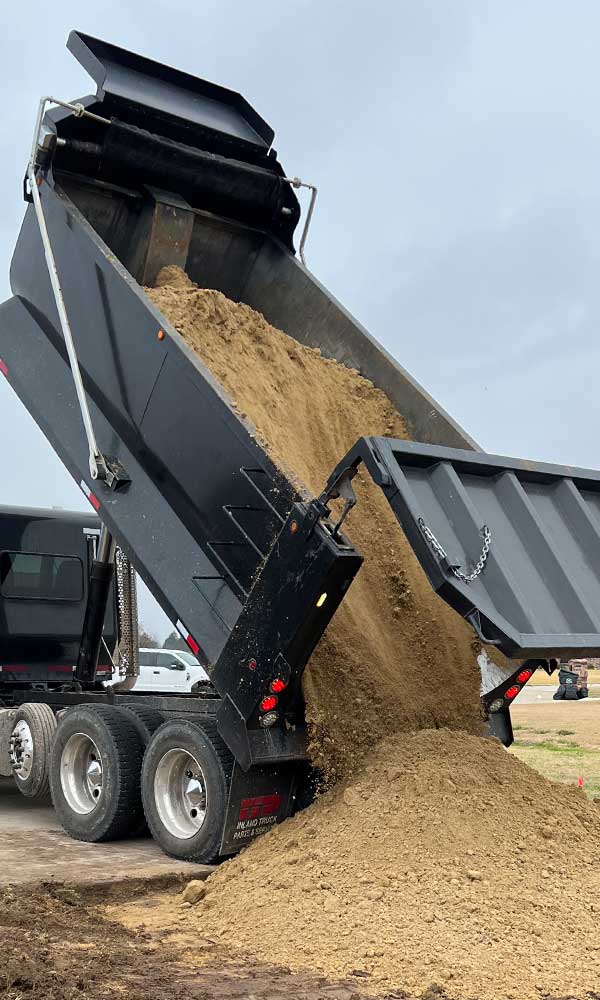
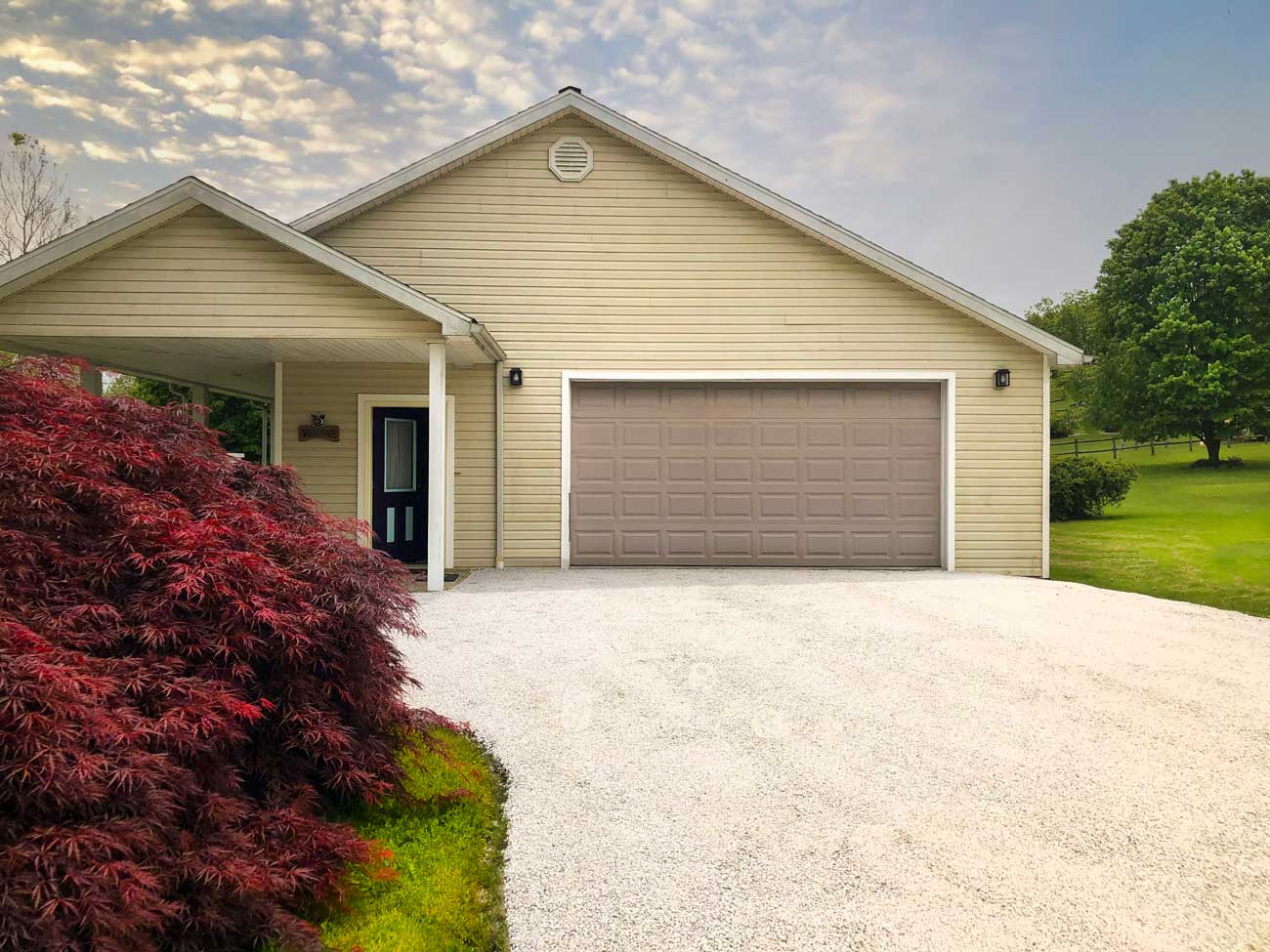
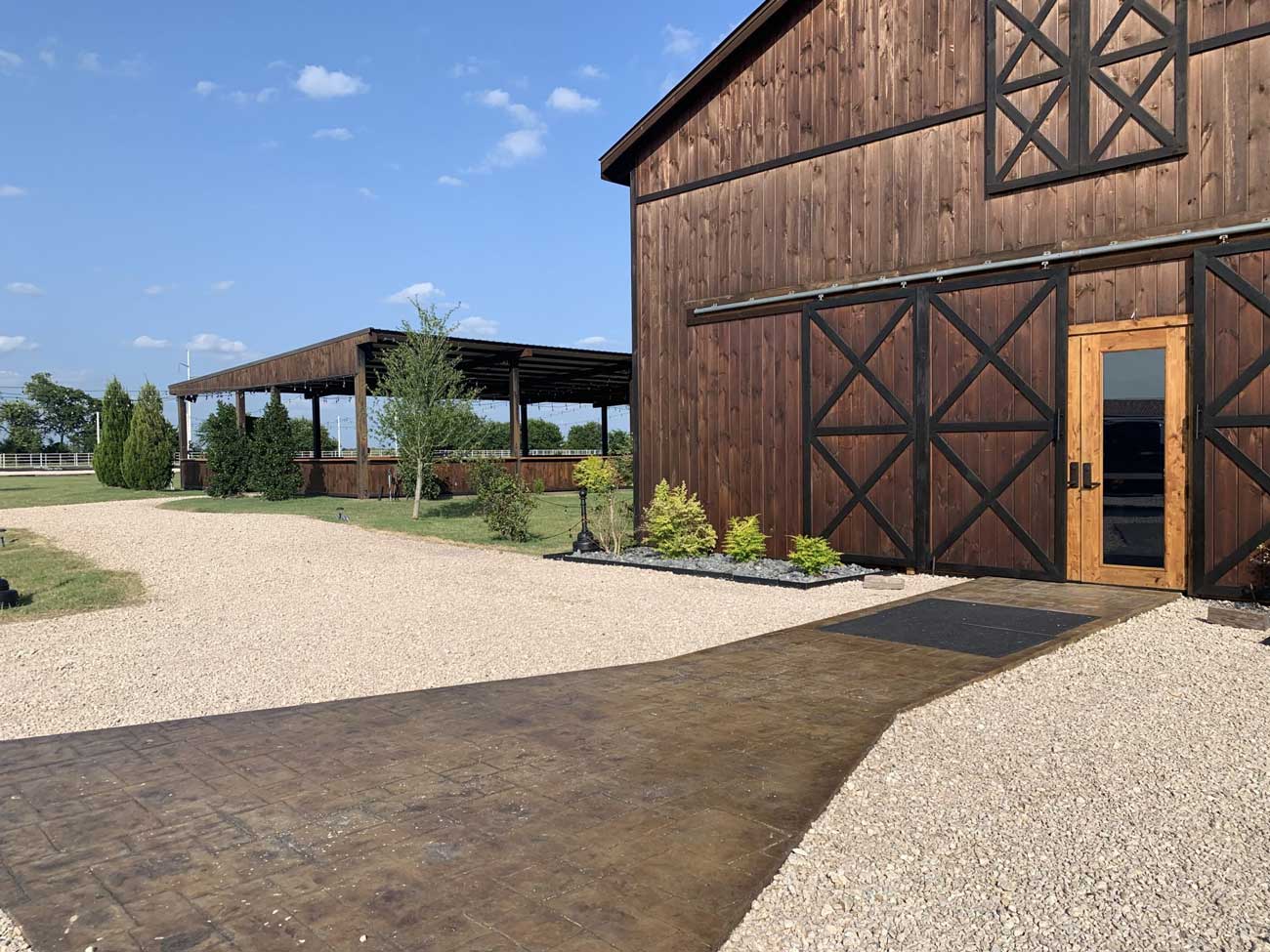
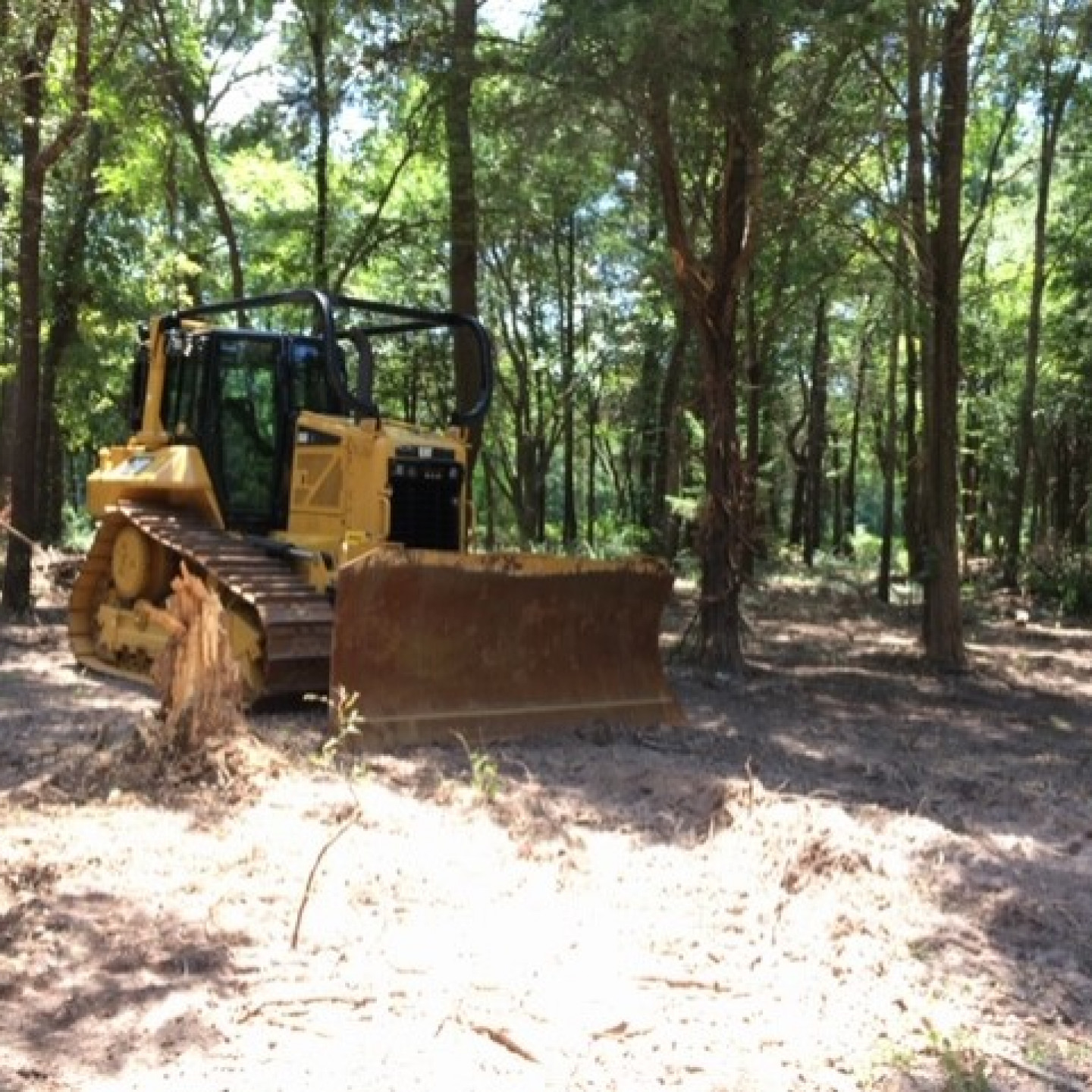
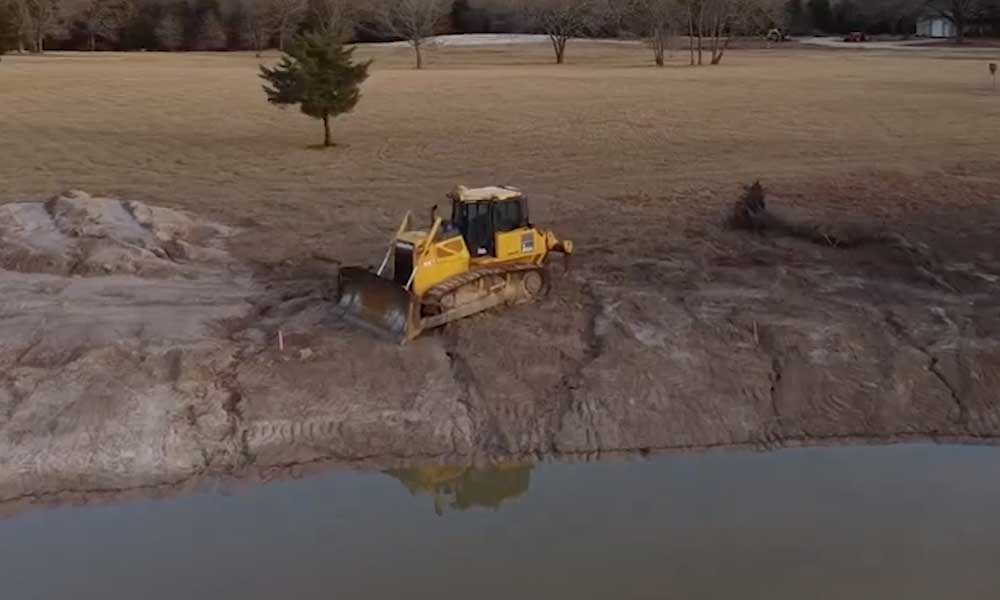
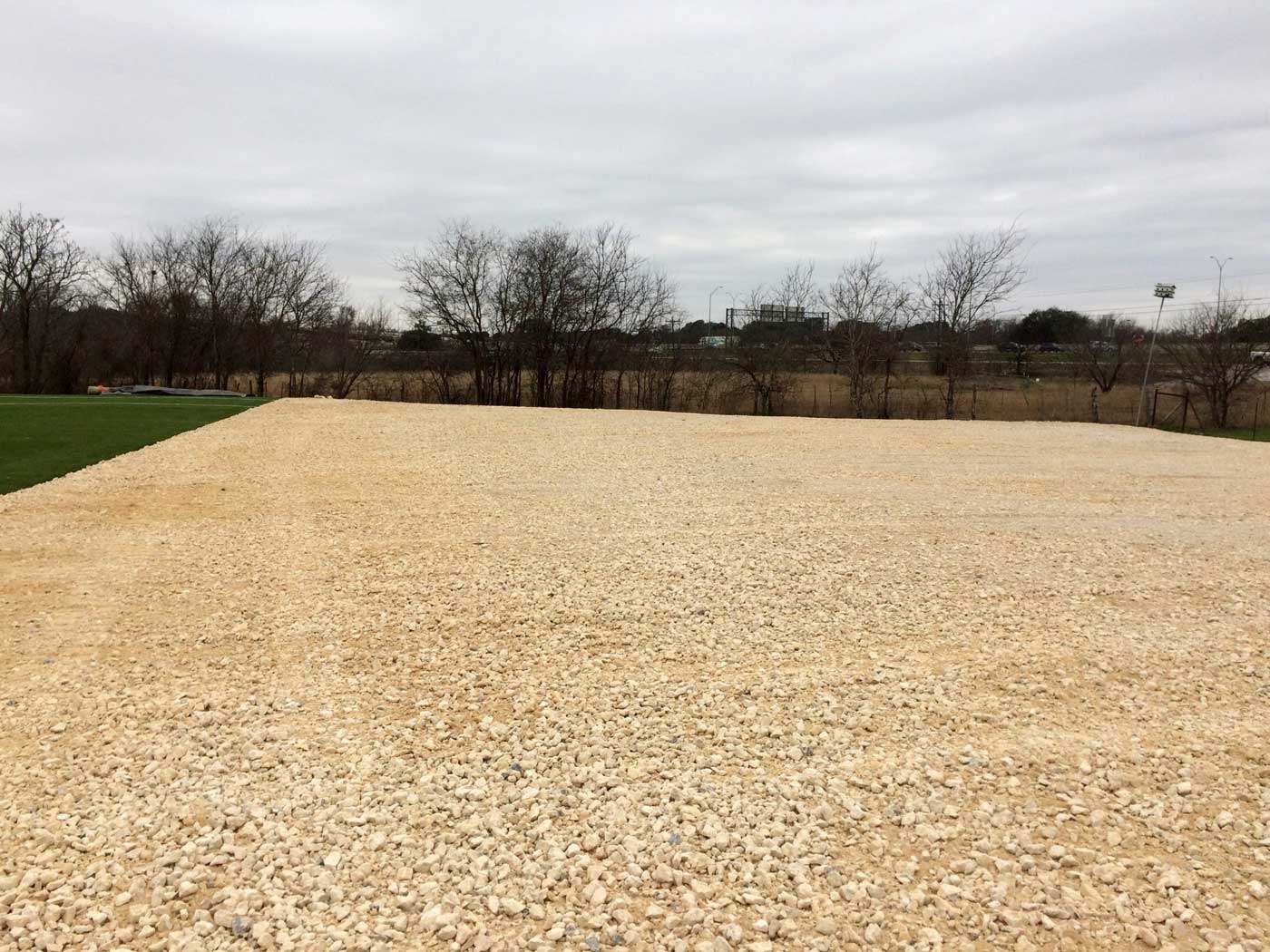
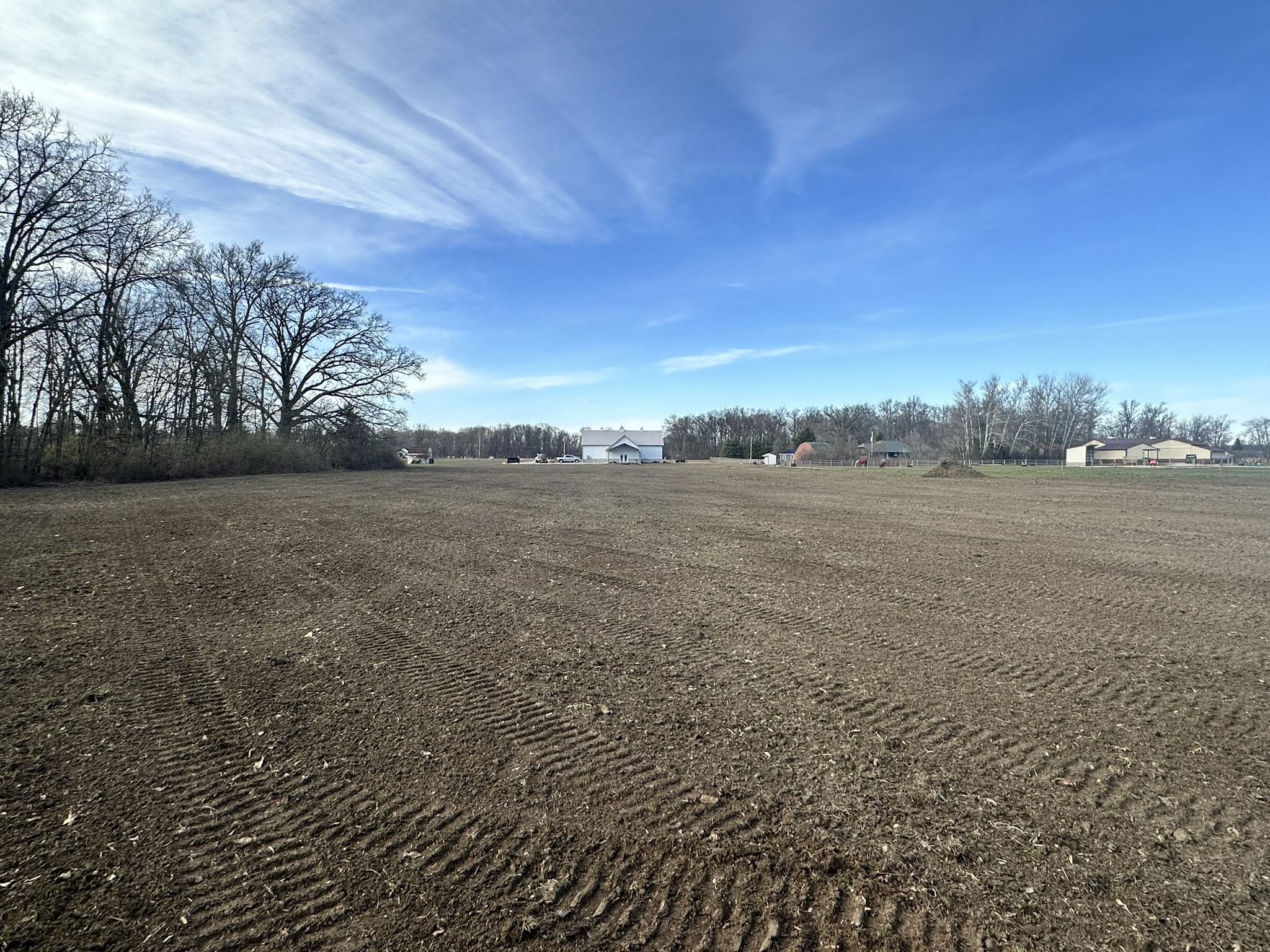
Recent Charlotte-area building pad preparation work from our project gallery.
Residential Building Pad Preparation Applications
- ✓Custom home foundation and basement excavation on sloped Lake Norman lots
- ✓Room additions and garage footings in established Charlotte neighborhoods
- ✓Pool excavation and backyard grading in Matthews and Waxhaw
- ✓Crawl space and drainage excavation for moisture correction
- ✓Driveway and walkway rough grading for new construction
Commercial Building Pad Preparation Applications
- ✓Retail and office building pad preparation along I-485
- ✓Warehouse and distribution center mass grading
- ✓Restaurant and medical clinic tenant improvement excavation
- ✓Parking lot subgrade preparation and stormwater basin excavation
- ✓Industrial facility expansion footing excavation
Why Local Charlotte Experience Matters
Local experience matters for building pad preparation because Charlotte's soil conditions, utility infrastructure, and permitting processes vary dramatically between neighborhoods. A contractor familiar with Mecklenburg County Land Development standards, Charlotte Water requirements, and Union County Health Department septic regulations avoids costly delays and failed inspections.
We have completed building pad preparation projects in established Charlotte neighborhoods with tight lot access, on rural Union County parcels with rock shelves, and on commercial sites along the I-485 corridor. That range of local experience means we anticipate challenges before they become change orders.
Charlotte's growth has created diverse project types — infill lots in Dilworth and South End, lakefront properties in Cornelius and Davidson, and commercial pads in Steele Creek and Concord. Our operators know how to adapt equipment and techniques to each setting while meeting code and protecting neighboring properties.
Building Pad Preparation Service Areas
We provide building pad preparation throughout the Charlotte metro area and surrounding counties. Select your community to learn about local excavation services.
Customer Reviews
-
“We needed a new septic system on a wooded lot in Matthews and Charlotte Excavation Services handled everything — permits, tank placement, drain field layout, and backfill. The crew explained each step, kept the site clean, and passed inspection on the first try. Highly recommend for anyone in the Charlotte area dealing with septic work.”
-
“Our builder needed exact footing dimensions on a sloped Huntersville lot. Charlotte Excavation Services showed up on schedule, used GPS grading equipment, and delivered a perfectly level excavation. The foundation contractor said it was one of the cleanest digs they had seen. Great communication throughout the project.”
-
“After every heavy rain, water pooled against our Indian Trail home. Charlotte Excavation Services regraded the yard, installed a French drain, and tied everything into a dry creek bed. Three months and several storms later, the yard stays dry. Fair pricing and a crew that clearly knows Charlotte clay soil.”
Building Pad Preparation FAQs
Common questions about building pad preparation in the Charlotte metro area.
What is structural fill and why is it needed?
Structural fill is engineered soil or aggregate placed and compacted in lifts to create a stable building pad. Charlotte's native red clay is often unsuitable due to shrink-swell behavior. Structural fill provides consistent bearing capacity and prevents foundation settlement.
How flat does a building pad need to be?
Building pads are graded to the exact elevation on the survey plan, typically within 1/10 of a foot tolerance. The pad must also slope 2% away from the foundation location for drainage — our laser grading achieves both simultaneously.
Who performs the compaction testing?
On engineered projects, a licensed geotechnical firm performs nuclear density testing. On standard residential projects, Mecklenburg County building inspectors verify compaction during the footing inspection. We coordinate both processes.
Can you prepare a building pad on a sloped lot?
Yes. Sloped lot pad preparation is common in Huntersville, Lake Norman, and Union County. We cut, fill, and compact to create a level pad, often coordinating with retaining wall contractors for the cut face.
How long must the pad cure before foundation work?
Compacted fill pads can support foundation work immediately after passing inspection. No curing time is required for properly compacted structural fill — your foundation contractor can mobilize as soon as the pad is certified.
What happens if my building pad fails compaction testing?
Failed compaction requires removing and re-placing the affected fill lifts with proper moisture conditioning and recompaction. Charlotte Excavation Services includes re-compaction at no additional charge when the failure is due to our placement methods. Material quality issues may require fill replacement at adjusted pricing.
How much does building pad preparation cost in Charlotte, NC?
Costs for building pad preparation in the Charlotte metro depend on project scope, soil conditions, access, and permit requirements. We provide free on-site estimates with itemized pricing. Building pad square footage; Volume of imported structural fill required; Cut-and-fill requirements on sloped lots.
How long does building pad preparation take in Mecklenburg County?
A standard residential building pad (2,000–3,500 sq ft footprint) typically takes two to five days depending on fill import volume. Pads requiring 2+ feet of imported fill on flood-zone lots may take one to two weeks. Commercial building pads scale proportionally with size. Compaction testing adds one to two days for scheduling the geotechnical firm. We coordinate testing during placement so the pad is certified without delay.
Do I need a permit for building pad preparation in Charlotte?
Many building pad preparation projects in Mecklenburg County and surrounding jurisdictions require permits — especially those involving utilities, storm drainage, or new construction. Charlotte Excavation Services identifies permit requirements during your consultation and coordinates with county inspectors.
What equipment is used for building pad preparation?
We deploy equipment matched to your site: CAT D6 dozer for fill spreading and rough grading, Motor grader for fine pad grading, Vibratory smooth drum roller (84-inch) for compaction, Vibratory pad foot roller for clay soils, and more. Equipment selection depends on access, soil conditions, and project scope.
Why hire a local Charlotte contractor for building pad preparation?
Local contractors understand Piedmont clay soils, Charlotte Water and utility coordination, Mecklenburg County permitting, and the access challenges on established neighborhood lots. Charlotte Excavation Services has completed hundreds of building pad preparation projects across the metro area.
Is Charlotte Excavation Services licensed and insured for building pad preparation?
Yes. We are fully licensed and insured for excavation work in North Carolina and South Carolina, with comprehensive liability and workers' compensation coverage. Certificates of insurance are available upon request.
Related Excavation Services
- Excavation
Site Preparation
Complete site preparation for new construction — clearing, grading, utility rough-in, and erosion control — across Charlotte and Mecklenburg County.
Learn more → - Excavation
Foundation Excavation
Precision foundation excavation for footings, stem walls, and slab-on-grade foundations throughout Charlotte, Matthews, Huntersville, and Mecklenburg County.
Learn more → - Dirt Work
Grading
Professional grading services for new construction, yard regrading, and drainage correction across Charlotte, Matthews, Huntersville, and Mecklenburg County.
Learn more → - Excavation
Residential Excavation
Expert residential excavation for custom homes, additions, and renovations across Charlotte, Matthews, Huntersville, and the greater Mecklenburg County area.
Learn more →
Get a Free Building Pad Preparation Estimate
Contact us today for a no-obligation quote on your Charlotte-area project.
Charlotte Excavation Services — Local Business Information
Service Area
Charlotte, Matthews, Mint Hill, Huntersville, Concord, Gastonia, Belmont, Indian Trail, Waxhaw, Fort Mill, Rock Hill, Monroe, and surrounding areas in Mecklenburg, Union, Cabarrus, Gaston, and York counties.
Credentials
Excavation contractor serving the greater Charlotte metropolitan area.
- Licensed NC & SC excavation contractor
- Fully insured — liability & workers' comp
- Free on-site estimates